


The global shift toward cleaner energy has placed the biomass pellet maker at the center of sustainable fuel production. As industries, utilities, and governments accelerate their transition away from fossil fuels, the demand for high-quality biomass pellets continues to rise — and with it, the need for reliable, efficient pelletizing equipment.
This guide walks through the core considerations for selecting a biomass pellet maker that fits your feedstock, capacity goals, and long-term operational strategy.
Understanding the Biomass Pellet Maker
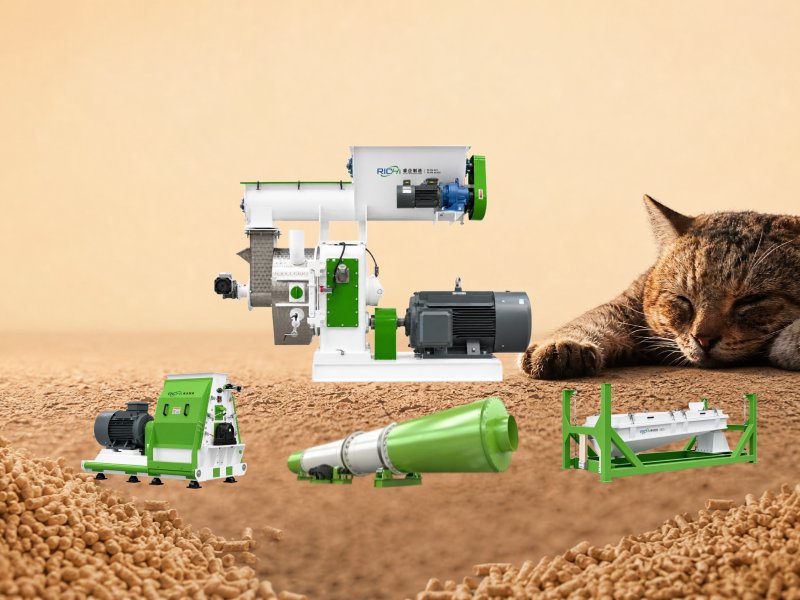
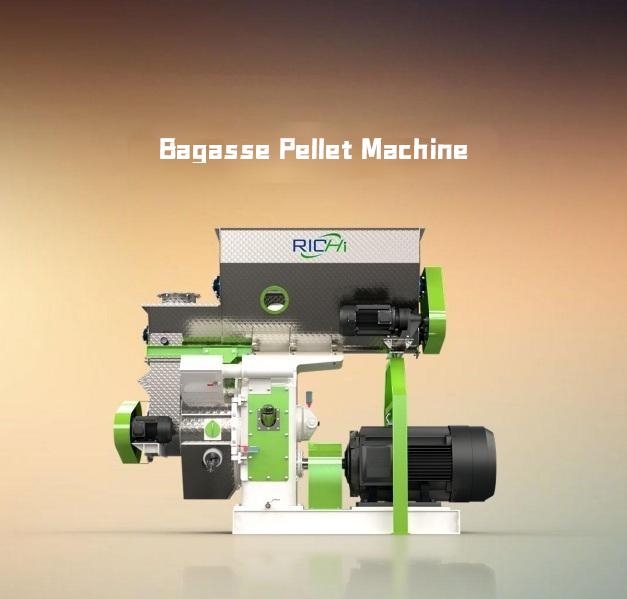
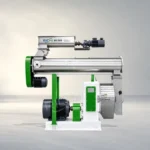
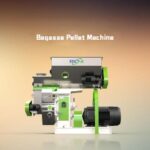
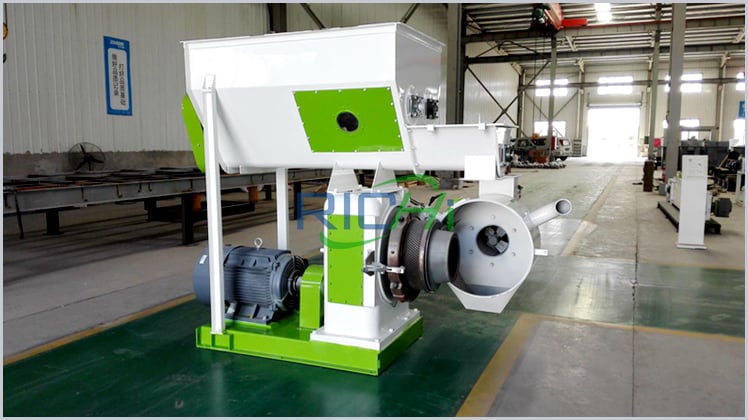
A biomass pellet maker is a mechanical press that densifies loose organic materials — wood chips, agricultural straw, grass, bamboo, or energy crops — into compact, cylindrical fuel pellets. The machine operates by feeding raw material into a rotating die, where rollers compress the biomass through small holes under high pressure. The friction-generated heat activates natural lignin binders in the material, producing hard, durable pellets without the need for synthetic additives.
Modern biomass pellet makers range from compact units suited to small farms and research facilities to large-scale ring-die mills capable of producing 10 or more tons per hour for industrial wood pellet manufacture operations.
Key Differences Between Pellet Maker Types
Flat-Die Pellet Makers
These entry-level machines are well-suited to small operations and are typically used for animal feed, small-scale energy pellets, and R&D purposes. They are affordable and easy to maintain but are limited in capacity and not suitable for continuous industrial-scale wood pellet manufacture.
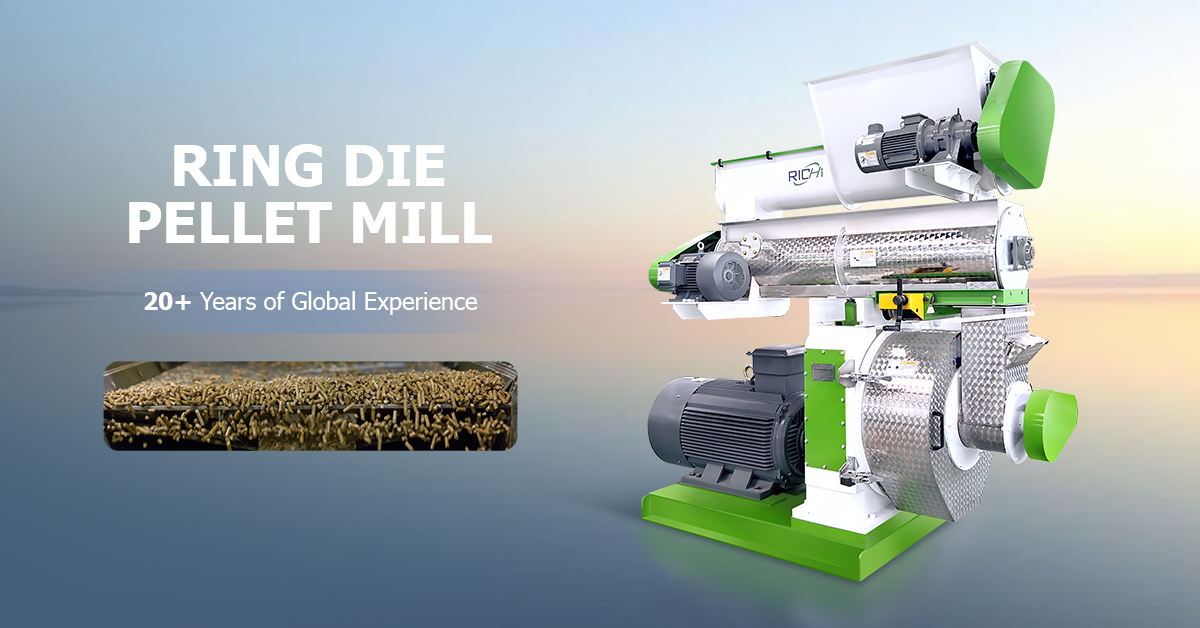
Ring-Die Pellet Makers
Ring-die models are the industry standard for commercial wood pellet manufacture. They offer higher output, better pellet density uniformity, greater die longevity, and superior energy efficiency per ton produced. For any operation targeting certified pellet quality standards (such as ENplus or PFI), a ring-die biomass pellet maker is the appropriate choice.
Matching Your Biomass Pellet Maker to Your Feedstock
One of the most critical — and often underestimated — factors in biomass pellet maker selection is feedstock compatibility. Different raw materials require different die specifications, roller configurations, and conditioning systems:
- Hardwood sawdust: Requires higher compression ratios and moderate pre-conditioning.
- Softwood shavings: Lower density, may require longer die channels for adequate pellet hardness.
- Agricultural residues (straw, rice husk): High silica content causes accelerated die wear; specialized anti-wear coatings are recommended.
- Bamboo: High fiber strength demands robust roller pressure and slower feed rates.
Always provide your supplier with a complete feedstock analysis — including moisture content, bulk density, and particle size distribution — before finalizing your biomass pellet maker selection.
The Wood Pellet Manufacture Process: An Overview
Successful wood pellet manufacture is not simply a matter of running raw material through a pellet mill. The full production line typically involves:
- Raw material preparation — chipping, grinding, and screening to achieve target particle size
- Drying — reducing moisture to the optimal range (typically 10–15%)
- Pelletizing — compression through the biomass pellet maker
- Cooling — reducing pellet temperature and locking in shape and hardness
- Screening — removing fines and undersized pellets
- Packaging or bulk loading — for storage and transport
Each stage of wood pellet manufacture must be properly designed and balanced to ensure consistent pellet quality and maximum throughput efficiency.
What to Look For in a Biomass Pellet Maker Supplier
Beyond machine specifications, the quality of your supplier relationship will significantly affect your long-term success. Key criteria include:
- Engineering customization capability — can they adapt the machine to your specific raw material and layout?
- Spare parts availability — are critical wear components (dies, rollers, bearings) stocked locally or available with short lead times?
- Installation and commissioning support — do they send technicians on-site, or provide remote guidance?
- Training programs — for operators and maintenance staff
For detailed technical specifications and proven project references in wood pellet manufacture, visit this link to explore the full product range.
Why Richi Manufacture Stands Out
[Richi manufacture] has established itself as a leading global supplier of biomass pelletizing equipment, with successful installations across Europe, Southeast Asia, Africa, and the Americas. Their engineering team provides comprehensive support from initial feedstock analysis through to full production line commissioning.
Whether you are entering the pellet industry for the first time or scaling an existing wood pellet manufacture operation, Richi manufacture offers the technical depth and after-sales infrastructure to help you meet your production and quality targets.
Final Recommendation
Choosing the right biomass pellet maker is a long-term investment that shapes your operation’s efficiency, product quality, and profitability. Take the time to evaluate your feedstock carefully, define your capacity requirements clearly, and partner with a manufacturer that has a proven track record in wood pellet manufacture.
For personalized recommendations and current availability, visit [this link] and connect with the team at [Richi manufacture] today.
https://www.richimanufacture.com/biomass-pellet-making-machine/