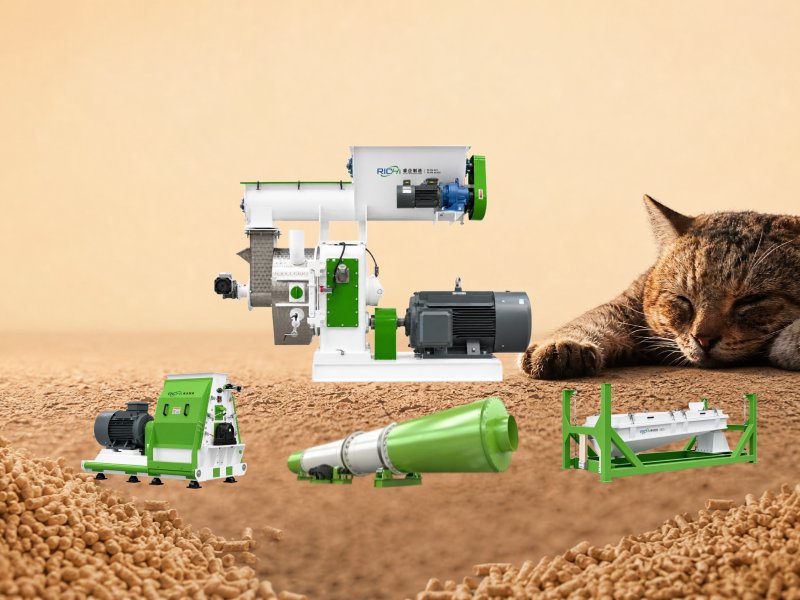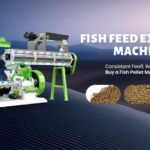
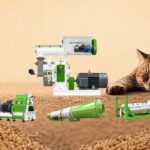


The pet care industry continues to embrace sustainable alternatives to traditional clay-based litters, with paper-based products emerging as a preferred choice for environmentally conscious consumers. Paper pellet cat litter offers distinct advantages: superior absorbency, ultra-low dust generation, lightweight handling, and complete biodegradability. Manufacturing this eco-friendly product requires specialized equipment, and many producers are turning to wood pellet cat litter machinery for its proven reliability and versatility in processing fibrous materials.
Understanding Paper-Based Cat Litter Production
Paper pellet cat litter is manufactured from recycled paper materials such as newsprint, office waste, cardboard, and paper pulp. The production process transforms these fibers into dense, cylindrical pellets that rapidly absorb moisture while maintaining structural integrity . The manufacturing method typically involves shredding paper to a fine particulate form, conditioning with water to achieve optimal moisture content (typically 25-30%), extruding under high pressure exceeding 2,000 MPa, and finally dehydrating the pellets to reduce moisture below 10% . This process creates pellets capable of absorbing more than twice their weight in liquid without disintegrating.
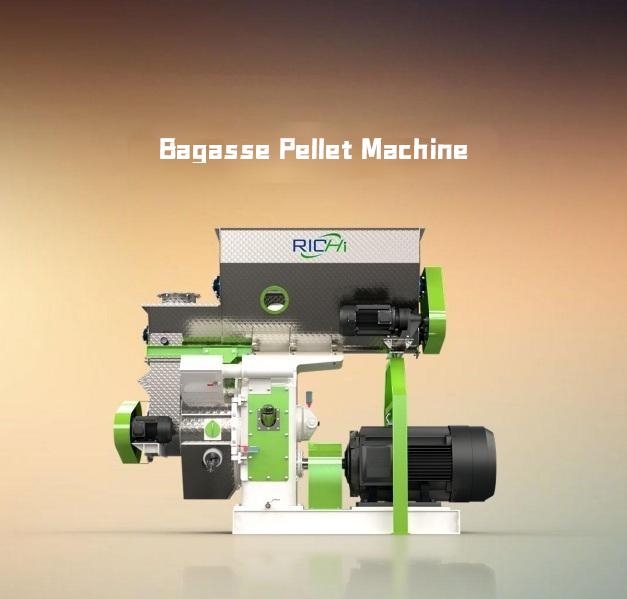
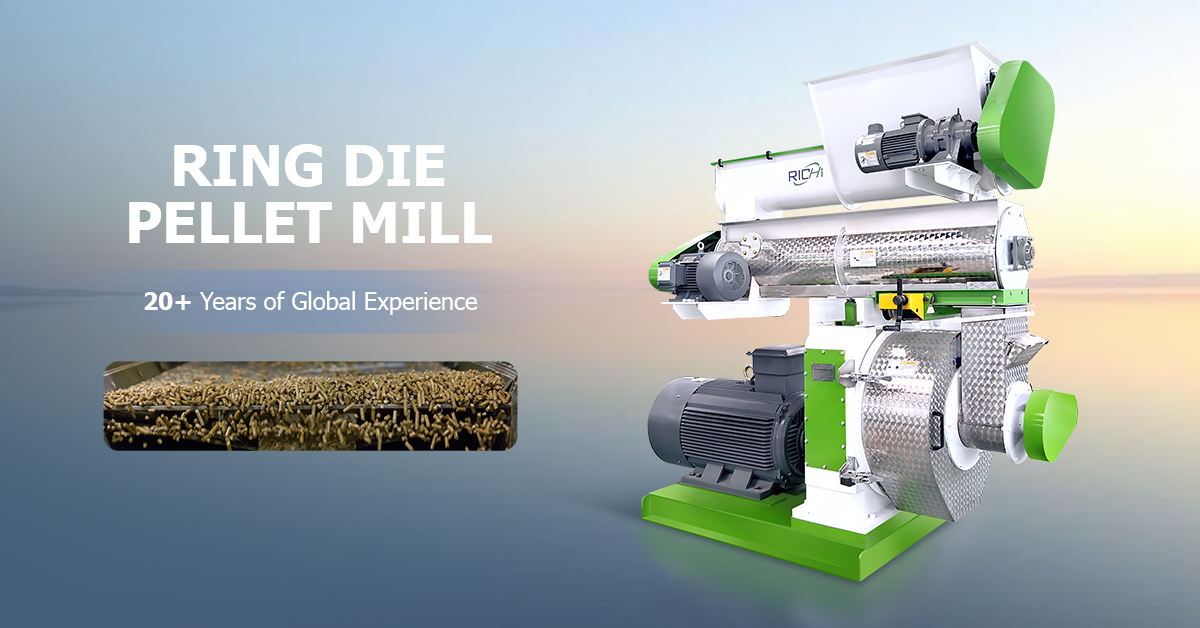
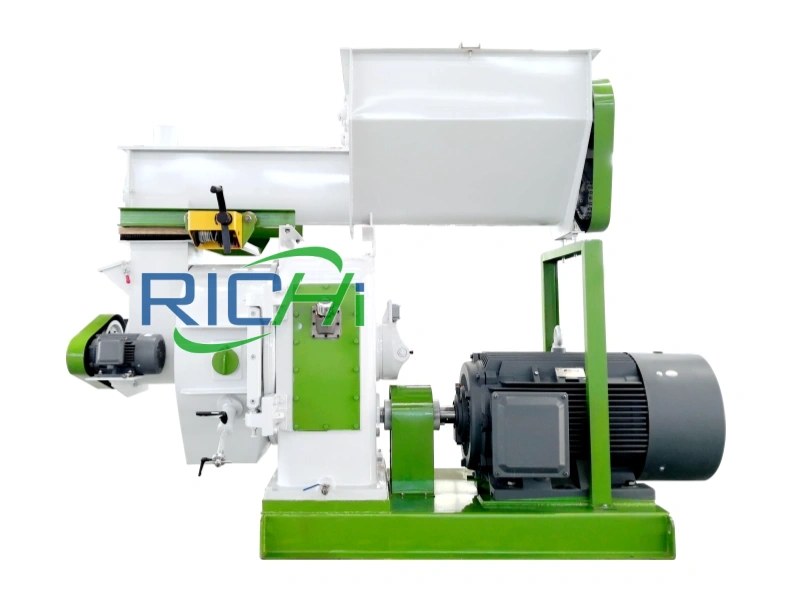
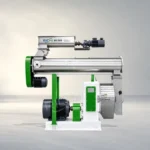
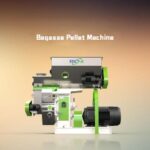
Modern production facilities increasingly utilize wood pellet cat litter machinery for paper processing because these systems are engineered to handle fibrous materials with high efficiency. The ring die pellet mills commonly used in wood pellet production can be readily adapted to process paper feedstock, offering capacities ranging from 0.3 to 40+ tons per hour . The equipment’s robust construction, featuring alloy steel dies and rollers with hardness ratings of 55-60 HRC, ensures durability and consistent pellet quality even when processing challenging materials .
Core Machinery and Process Flow
Raw Material Preparation
The journey of paper pellet cat litter begins with proper feedstock preparation. Waste paper must first be reduced to a manageable particle size through shredding and grinding operations . This step is critical for achieving uniform pellet quality and preventing equipment blockages. The ground paper is then conveyed through a conditioning system where water is applied to achieve the target moisture content. Advanced systems utilize leveling and compacting rollers to create a consistent layer of material for subsequent processing . Manufacturers offering comprehensive wood pellet cat litter machinery solutions provide integrated preparation systems that handle everything from initial size reduction to final moisture conditioning.
Pelletizing and Drying
The heart of the production line is the pelletizing stage. The conditioned paper fibers are fed into a pellet mill where they are compressed through ring dies under high pressure. The resulting paper pellet cat litter emerges as continuous extrusions that are cut to uniform length by rotating blades . For paper processing, pellet diameters typically range from 4 to 12 millimeters, with 6-8 millimeter pellets being optimal for pet bedding applications due to their balance of absorbency and handling characteristics . The freshly formed pellets then enter drying systems to reduce moisture content, ensuring stability and preventing degradation during storage and transport.
Production Solutions and Industry Expertise
Scalable Manufacturing Systems
Modern production lines offer flexibility to accommodate various capacities and raw material types. For smaller operations or pilot projects, single-unit machines such as the MZLH350 model can produce 0.3-0.5 tons per hour, making them ideal for market entry or testing operational feasibility . Larger industrial systems can achieve outputs of 1-20+ tons per hour, serving major pet product manufacturers and export markets. A complete paper pellet cat litter production line integrates all stages from raw material handling through final packaging, ensuring streamlined workflow and consistent quality control. This is where expertise like Richi manufacture demonstrates its value, providing comprehensive solutions backed by decades of experience in pellet production systems.
Successful Implementation Examples
Leading equipment manufacturers have established strong track records in paper pellet production. For instance, a Norwegian urban recycling company implemented a wood pellet cat litter machinery solution from Richi manufacture to transform shredded office paper and newspaper into high-quality pet bedding pellets . The project utilized MZLH350 pellet machines producing 6-8 millimeter pellets at 0.3-0.5 tons per hour per unit. This successful installation demonstrates how paper waste can be valorized into marketable, eco-friendly products with higher profit margins. The client’s motivations included waste valorization, operational efficiency, and meeting growing demand for natural pet care products .
Quality Considerations and Best Practices
Process Optimization
Achieving consistent paper pellet cat litter quality requires careful attention to several parameters. Moisture content during conditioning must be precisely controlled—insufficient moisture leads to poor binding and pellet degradation, while excessive moisture increases drying costs and can cause equipment issues. Additionally, ring die wear is a common challenge; proper conditioning and material preparation can reduce friction between raw materials and die surfaces, extending component life and reducing maintenance downtime. For producers evaluating equipment, the availability of click reference materials and case studies from successful installations provides valuable insights into expected performance and operational requirements.
Environmental and Market Advantages
Paper pellet cat litter offers significant environmental benefits over traditional alternatives. The product is biodegradable, flushable, and can be disposed of as organic waste or incinerated cleanly . It eliminates the dust issues associated with clay litters and reduces reliance on finite mineral resources. As consumer preference continues shifting toward sustainable pet products, the demand for high-quality paper-based litters is expected to grow, making investment in production capacity a strategically sound decision.
Summary
Investing in wood pellet cat litter machinery offers manufacturers a proven pathway to enter the growing sustainable pet products market. From the initial processing of recycled paper to the final packaging of premium paper pellet cat litter, modern production systems deliver consistent quality and operational efficiency. With successful installations worldwide and equipment from experienced manufacturers like Richi manufacture, the technology is accessible to businesses of all sizes. As environmental regulations tighten and consumer awareness increases, paper-based cat litter represents both a responsible choice and a profitable business opportunity.
Check the details: https://www.richimanufacture.com/cat-litter-pellet-machine/