


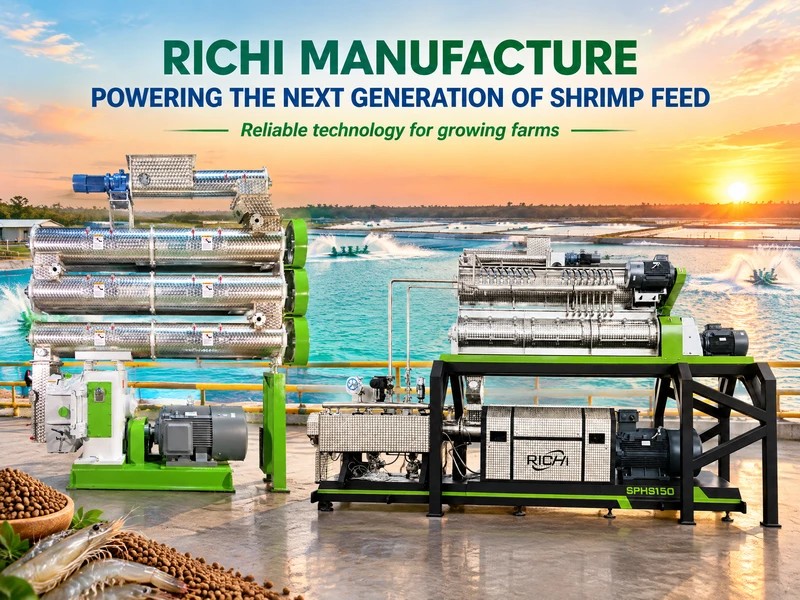
Starting a new aquaculture feed factory involves many decisions, from selecting raw material processing equipment to arranging the final packaging system. For investors who prefer a coordinated project approach, a shrimp feed pellet machine can be developed as part of a larger turnkey production solution rather than purchased as an isolated piece of equipment.
What Turnkey Means in Feed Manufacturing
A turnkey project generally involves coordinating multiple stages of the factory development process. The equipment supplier may participate in process design, equipment selection, manufacturing, layout planning, installation, commissioning, and technical training.
This approach can simplify communication because the different parts of the production system are considered together.
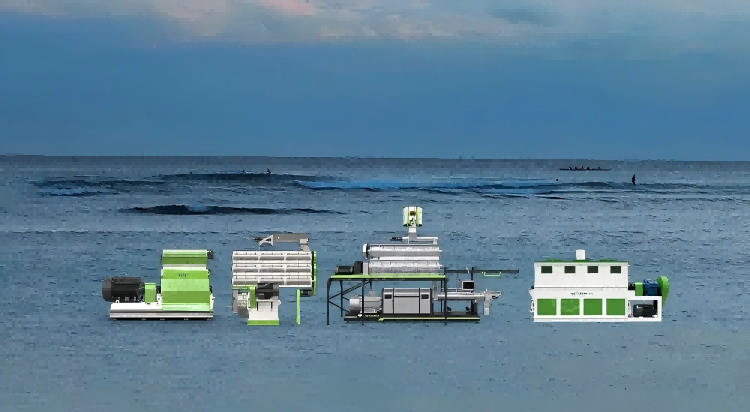
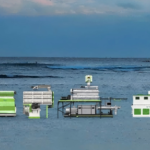
For a shrimp feed project, the process may include raw material receiving, grinding, batching, mixing, conditioning, pelleting, cooling, screening, conveying, and packaging.
Designing Around the Product
The finished feed should determine the production process. Shrimp feed may require small pellet sizes, stable formation, and appropriate water resistance. These characteristics influence the grinding system, conditioner, pellet mill, die, cutter, and downstream equipment.
A turnkey supplier can begin with these requirements and then develop the equipment configuration around them.
Integrating the Main Production Stages
Grinding prepares the raw materials, while batching and mixing establish formulation uniformity. Conditioning then prepares the mixture for pellet formation.
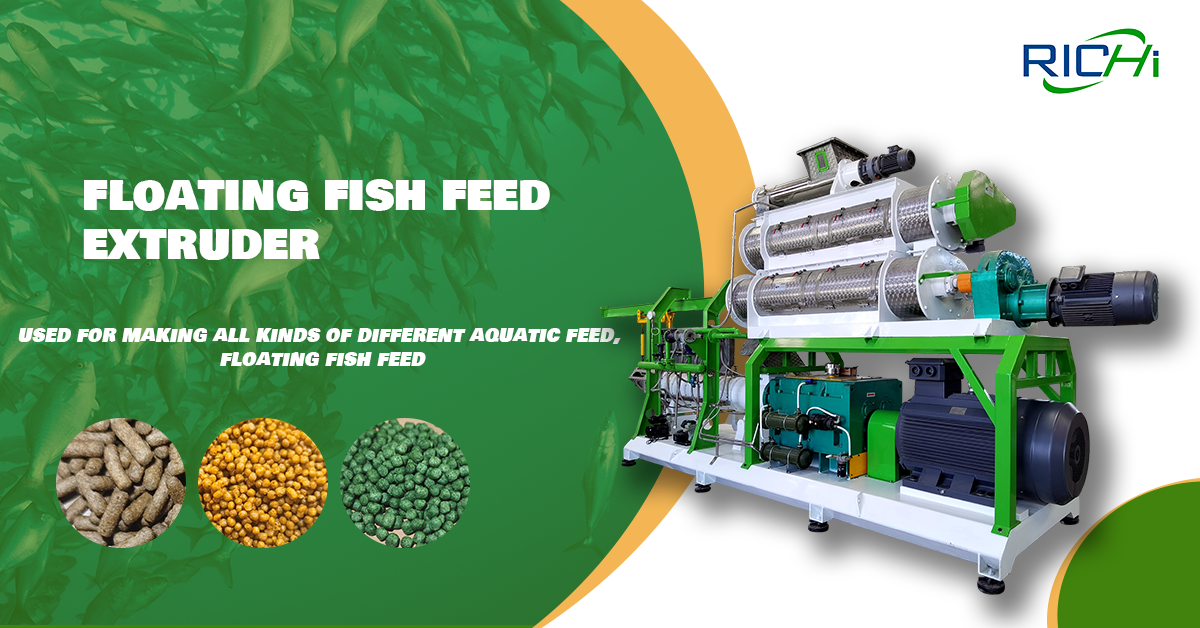
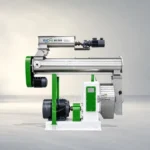
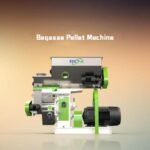
The pellet mill compresses the prepared material into the required shape. After that, cooling stabilizes the freshly formed pellets, and screening separates acceptable products from broken or oversized particles.
Conveyors and bucket elevators connect the different stages, while automatic weighing and packaging equipment prepares the finished feed for storage and distribution.
Each stage represents an important link in the complete production chain.
Why Project Coordination Matters
If equipment is purchased separately from multiple suppliers, the customer may need to coordinate different technical specifications, delivery schedules, electrical systems, and installation requirements.
A coordinated project can reduce some of this complexity. The engineering team can consider equipment dimensions, material flow, control systems, and installation sequence before the factory is assembled.
Commissioning and Training
Equipment delivery is not the end of the project. Commissioning confirms that machines operate correctly within the production system. Operators may also need training in startup procedures, process adjustment, maintenance, and safety.
Training is particularly useful for first-time feed manufacturers because operating a complete production line requires understanding the relationship between different process stages.
Planning Capacity
Capacity should be based on expected market demand and production requirements. A business may need a moderate output at first and expand later, while an established feed producer may require a larger system from the beginning.
A turnkey fish feed mill plant can be designed around a defined capacity range, but the actual equipment selection should also account for product types and future development.
Selecting a Technical Partner
A turnkey supplier should be able to explain the reasoning behind the equipment configuration. Customers should understand why particular grinding, mixing, conditioning, pelleting, cooling, and screening systems are included.
The supplier’s manufacturing capabilities and engineering experience are also relevant. Equipment quality, spare-parts support, installation, commissioning, and after-sales service all contribute to the long-term operation of the factory.
From Project Concept to Production
A turnkey approach can make the development process more structured. The project begins with the product and market requirements, moves into process design and equipment selection, and then continues through manufacturing, delivery, installation, commissioning, and training.
The pellet press may be central to pellet formation, but the overall success of the factory depends on how effectively every stage works together.
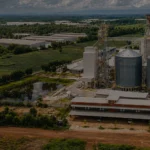
For an aquaculture business planning to manufacture shrimp or fish feed, a complete engineering approach can provide a clearer path from an initial production idea to an operating feed factory. The result is a system designed not merely around individual machines, but around the complete production objective.
View details: https://www.richimanufacture.com/shrimp-feed-pellet-machine/