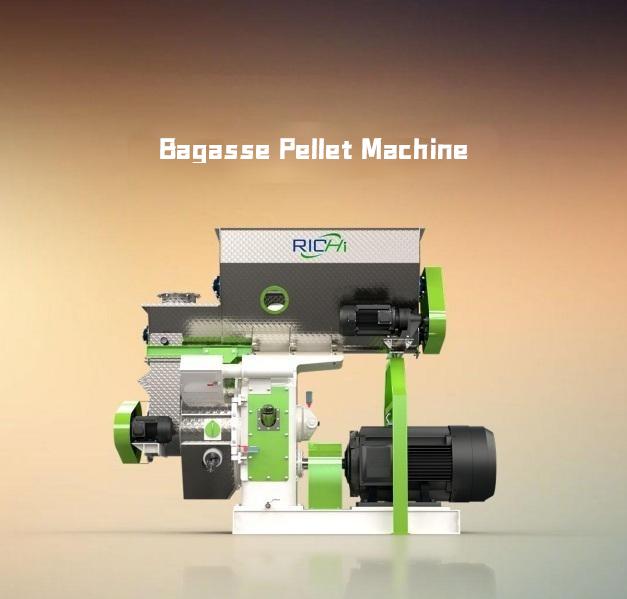




Sinking Fish Feed Extruder Machine: Writing an Acceptance Basis for Sinking and Slow-Sinking Feed
Select a sinking fish feed extruder machine by defining the required sinking behavior, uniformity and…
Select a sinking fish feed extruder machine by defining the required sinking behavior, uniformity and…
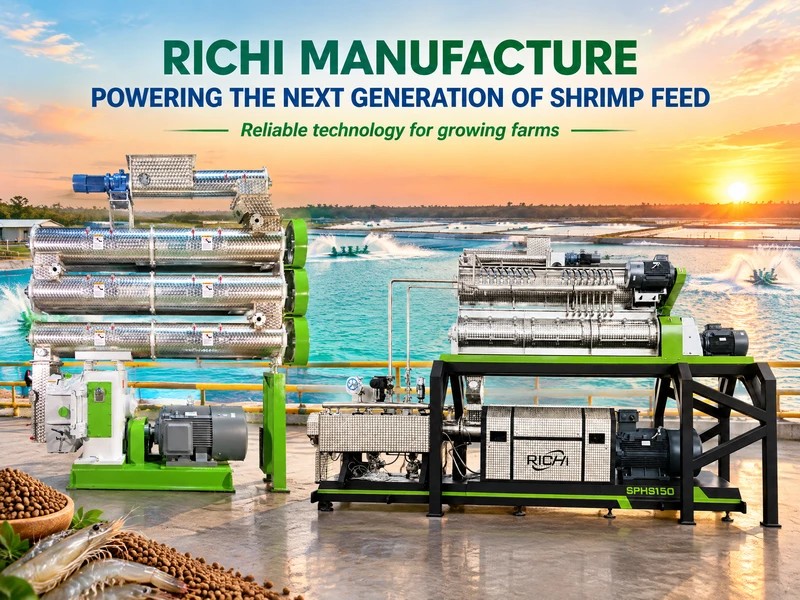
Starting a new aquaculture feed factory involves many decisions, from selecting raw material processing equipment…
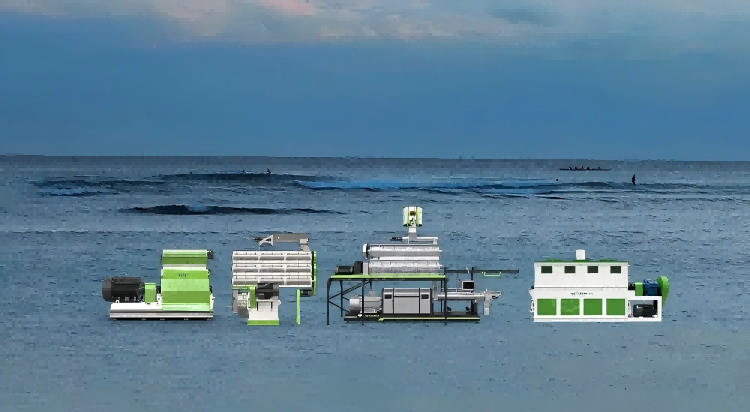
High quality sinking fish feed plays an important role in modern aquaculture. Many fish species…
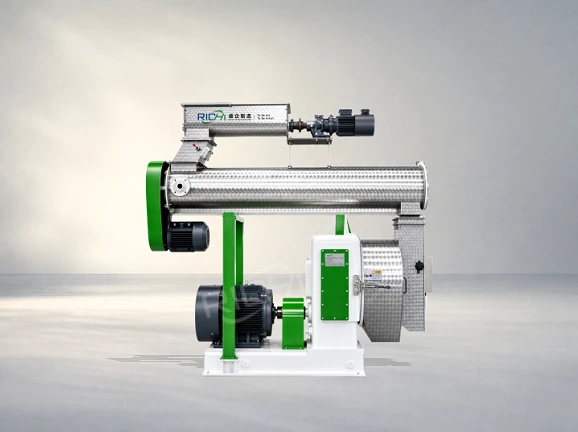
Goat farming has a reputation for being forgiving. The animals browse widely, tolerate rough forage,…
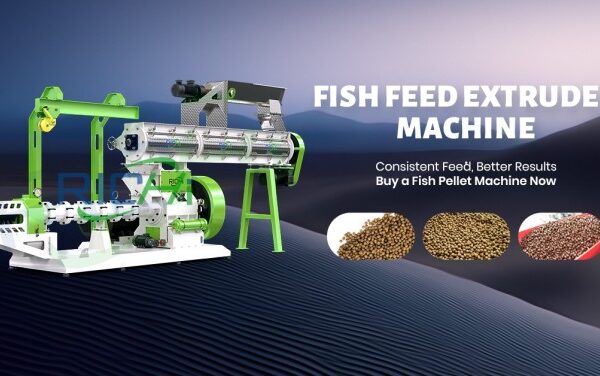
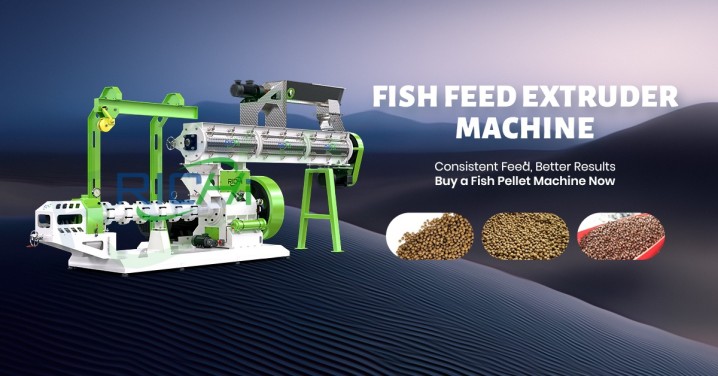
Select a sinking fish feed extruder machine by defining the required sinking behavior, uniformity and handling integrity and the actual condition of the declared sinking aquatic-feed formulation before comparing equipment offers. A line able to serve different feed behaviors can require more operating adjustment and verification. Compare that flexibility with the actual production schedule and…
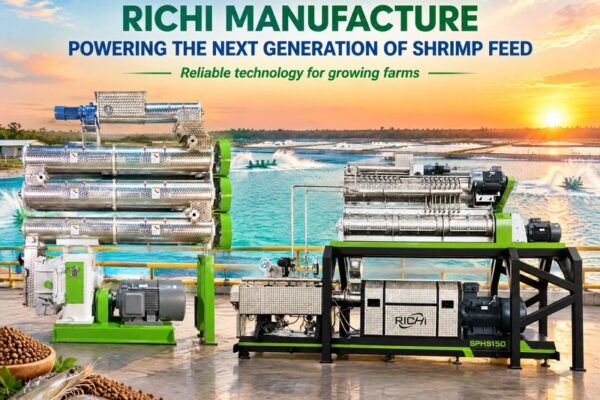
Starting a new aquaculture feed factory involves many decisions, from selecting raw material processing equipment to arranging the final packaging system. For investors who prefer a coordinated project approach, a shrimp feed pellet machine can be developed as part of a larger turnkey production solution rather than purchased as an isolated piece of equipment. What Turnkey…
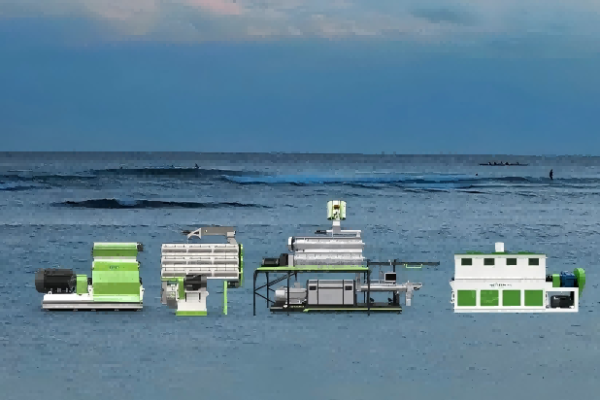
High quality sinking fish feed plays an important role in modern aquaculture. Many fish species feed below the water surface, making sinking pellets an effective feeding option for specific farming systems. However, producing high quality sinking fish feed is not simply a matter of pressing ingredients into pellets. The nutritional formula, raw material quality, particle…
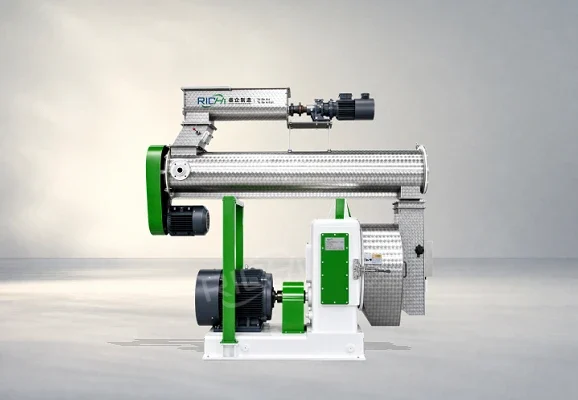
Goat farming has a reputation for being forgiving. The animals browse widely, tolerate rough forage, and produce meat and milk on land that would not support cattle. That reputation is partly earned. But it hides a problem that shows up on almost every goat farm eventually: feed form. Two farms can feed the same ingredients…
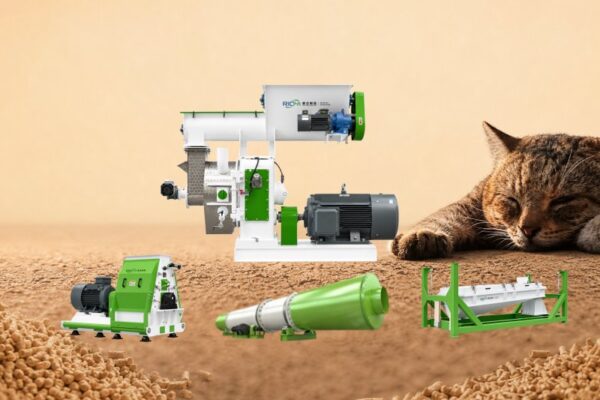
When manufacturers discuss sawdust cat litter, conversations often focus on pellet diameter, production capacity or the pellet machine. Yet one of the less visible factors can have a major effect on the entire process: moisture. Two batches of sawdust can look almost identical but behave very differently during production if their moisture levels are not…
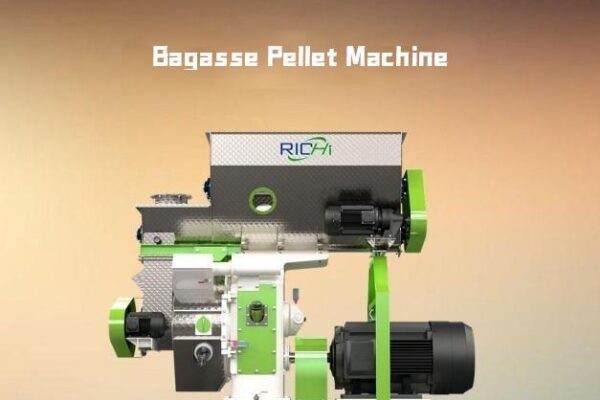
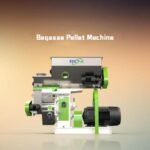
Sugarcane processing generates large amounts of bagasse after juice extraction. This fibrous residue contains a significant amount of organic material and can be used for various applications, including biomass fuel production. However, fresh bagasse is usually too wet and bulky to be pelletized directly. It normally requires preparation, moisture control, size reduction, and densification before…
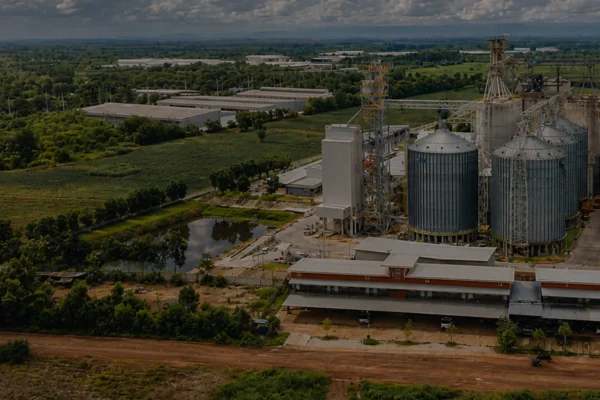
As livestock farming becomes increasingly specialized, feed production is no longer simply a matter of mixing grains and protein ingredients together. Different animals require different nutrient profiles, while farms and commercial feed manufacturers also have to consider raw material availability, production capacity, energy consumption, storage, and product consistency. For anyone planning a new feed mill,…
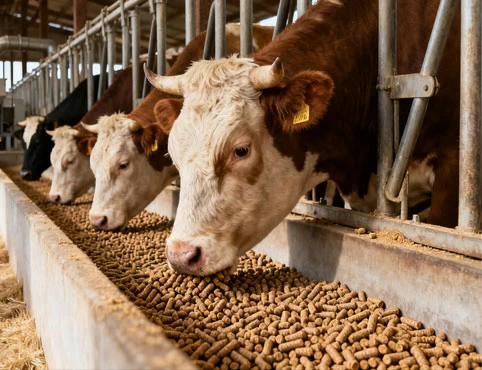
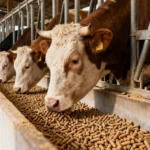
Cattle feed pellets are widely used in modern dairy and beef cattle farming because they are convenient to handle, easy to transport, and can provide a consistent combination of grains, protein sources, fiber, minerals, and other feed ingredients. However, producing high-quality cattle feed pellets is not simply a matter of putting raw materials into a…

Feed pellet production is a carefully connected process. Before a pellet is formed, raw materials need to be prepared, measured, ground, mixed, conditioned, and finally compressed. After pelletizing, the product usually needs cooling, screening, and packaging before it can be stored or transported. An animal feed pellet making machine is therefore best understood as one…

An existing building can sometimes be adapted successfully for a pellet factory, but suitability depends on much more than whether the machines physically fit inside. A proper evaluation should consider clear height, floor strength, column spacing, access doors, maintenance space, material flow, truck movement, dust control, utilities, fire protection, noise, ventilation, foundations, and future expansion….