







Introduction: The New Era of Agricultural Resource Management
The transition toward renewable energy has become a major global trend. As industries search for cleaner alternatives to traditional fuels, biomass resources are receiving increasing attention because of their availability, sustainability, and economic potential.
Agricultural residues represent one of the largest unused biomass resources worldwide. Every year, millions of tons of crop waste are generated from farming activities. Without proper utilization methods, these materials may become environmental problems instead of valuable resources.
Modern biomass processing technology is changing this situation. Through advanced compression and pelletizing processes, agricultural residues can be transformed into standardized biomass pellets suitable for energy applications and other industries.
Among these solutions, the rice straw pellet mill plays an important role in helping agricultural regions convert abundant straw resources into profitable products. It provides a practical connection between farming waste management and renewable energy development.
The Growing Role of Biomass in Renewable Energy Development
The global demand for renewable energy continues to increase as businesses focus on reducing carbon emissions and improving energy security.
Unlike fossil fuels, biomass resources have several unique advantages:
- Renewable supply from agricultural activities
- Local availability in farming regions
- Potential reduction of waste pollution
- Support for circular economy models
Agricultural residues such as rice straw and corn stalks are particularly attractive because they are produced continuously in large farming areas.
However, using these materials directly is challenging due to their physical characteristics. Low density, high storage requirements, and unstable transportation conditions limit their practical applications.
Pelletizing technology provides a solution by improving the physical properties of biomass materials.
Why Rice Straw Has Strong Potential in Biomass Markets
Rice straw is one of the most abundant agricultural residues in the world. Large rice-producing countries generate significant quantities of straw after every harvest season.
Despite its availability, rice straw has historically faced utilization challenges.
Transportation Difficulties
Raw straw is lightweight and bulky, making long-distance transportation expensive.
Storage Challenges
Large amounts of storage space are required to keep loose straw before processing.
Limited Direct Applications
Without proper processing, rice straw has fewer commercial uses.
By processing rice straw into pellets, these limitations can be reduced. The final pellet product has improved density, better handling characteristics, and wider application possibilities.
How Modern Pelletizing Technology Improves Production Efficiency
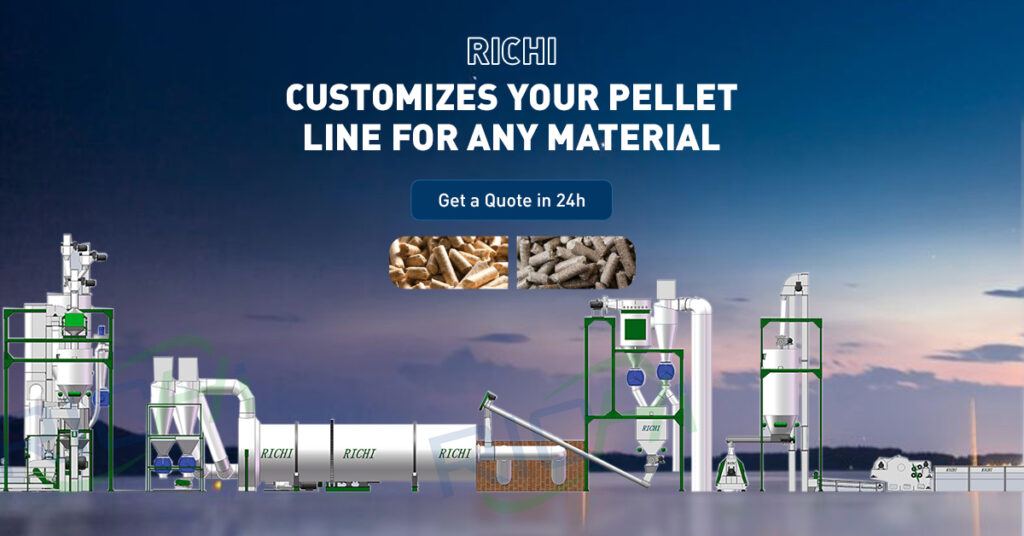
A professional biomass pellet production system involves multiple stages designed to improve material quality and production stability.
Material Preparation and Conditioning
Before entering the pelletizing process, raw materials must be properly prepared.
This stage may include:
- Removing impurities
- Cutting oversized materials
- Adjusting moisture content
- Improving material consistency
Proper preparation directly influences pellet quality.
Grinding Process
Agricultural residues usually require size reduction before compression.
A suitable particle size improves:
- Feeding performance
- Compression efficiency
- Pellet durability
Compression and Pellet Formation
During the pelletizing stage, biomass materials are compressed under high pressure.
The pressure and heat generated during processing help natural components within the biomass bind together.
This creates pellets with:
- Higher density
- Better mechanical strength
- Easier transportation
- Improved storage performance
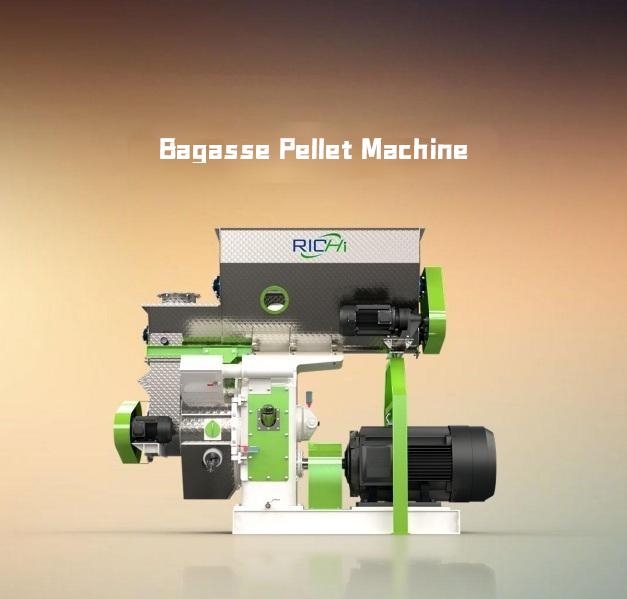
For businesses requiring different production levels, equipment selection should match the project scale. For example, agricultural processing companies may choose a 0.5-8 T/H corn stalk pellet machine for sale when they need flexible capacity options for various biomass materials.
What Makes a Successful Biomass Pellet Project?
Although biomass resources are widely available, successful projects require careful planning and professional support.
Stable Raw Material Supply
A reliable supply chain is essential for continuous production.
Investors should consider:
- Local crop production volume
- Seasonal harvesting periods
- Material collection methods
- Storage facilities
Proper Equipment Configuration
Different raw materials require different processing solutions.
Factors influencing equipment selection include:
- Material characteristics
- Required output
- Final product application
- Available investment budget
Choosing unsuitable equipment may lead to lower efficiency and higher operating costs.
Market Demand Analysis
Before establishing a pellet plant, businesses should understand potential customers and applications.
Possible markets include:
- Industrial fuel users
- Biomass energy companies
- Agricultural product suppliers
- Animal bedding markets
Why Choosing the Right Manufacturer Matters
The performance of a biomass pellet project depends heavily on equipment quality and technical support.
An experienced manufacturer can provide:
- Customized production solutions
- Equipment matching recommendations
- Installation guidance
- Technical training
- Maintenance support
Working with a professional supplier reduces investment risks and improves long-term operational stability.
For example, Richi Pelletizer provides biomass processing solutions designed for different raw materials and production requirements.
Customers who want to explore more information about pellet technology can about this to learn more about equipment features and application possibilities.
Biomass Pellet Production Beyond Energy Applications
Although biomass fuel is the most common application, pellet technology also creates opportunities in other industries.
Animal Bedding Industry
Straw pellets can provide absorbent bedding materials for livestock farms.
Agricultural Recycling
Pellet production helps improve agricultural waste utilization and supports sustainable farming systems.
Industrial Applications
Certain biomass pellets can be used as raw materials for different processing industries.
The diversity of applications makes biomass pellet production more attractive for businesses seeking multiple market opportunities.
Future Trends in Biomass Pellet Technology
The biomass pellet industry is expected to continue developing as technology improves and market demand expands.
Several future trends are becoming increasingly important.
Higher Production Efficiency
Manufacturers are continuously improving equipment design to reduce energy consumption and increase output.
More Flexible Production Systems
Modern pellet plants are becoming more adaptable to different biomass materials.
(Related Post: https://biomasspelletizer.com/straw-pellet-production-line/)
Greater Sustainability Focus
More businesses are looking for solutions that combine profitability with environmental responsibility.
These trends will continue driving innovation in biomass processing technology.
Conclusion: Building a Sustainable Future With Biomass Innovation
Agricultural residues have enormous potential when combined with modern processing technology. Instead of being treated as waste, materials such as rice straw can become valuable resources for renewable energy and industrial applications.
The development of the rice straw pellet mill demonstrates how smart biomass technology can support sustainable development while creating new business opportunities.
By selecting suitable equipment, understanding market demand, and cooperating with experienced manufacturers, companies can build efficient biomass pellet projects that deliver long-term benefits.
As the world moves toward cleaner energy solutions, biomass pellet technology will continue playing an important role in connecting agriculture, industry, and environmental protection.