



Sugarcane processing generates large amounts of bagasse after juice extraction. This fibrous residue contains a significant amount of organic material and can be used for various applications, including biomass fuel production.
However, fresh bagasse is usually too wet and bulky to be pelletized directly. It normally requires preparation, moisture control, size reduction, and densification before becoming a stable biomass fuel.
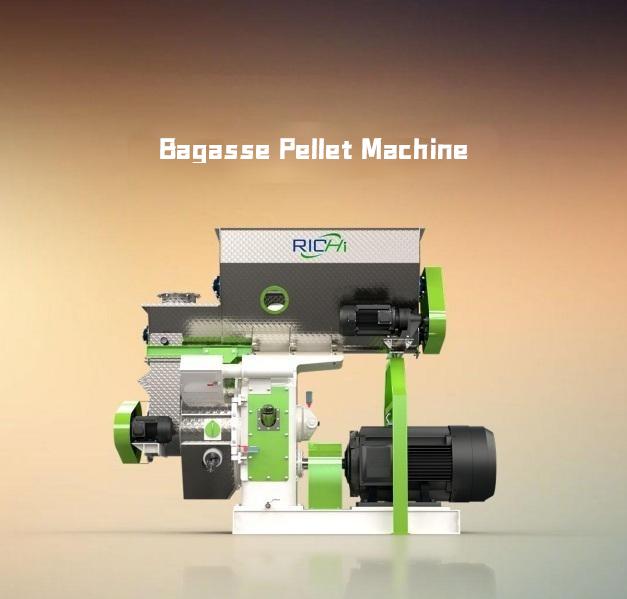
A bagasse pellet machine is used in the densification stage, but the overall production process depends on the condition of the bagasse and the required pellet output.
What Is Sugarcane Bagasse?
Bagasse is the fibrous material left after sugarcane is crushed to extract its juice. It consists mainly of plant fibers and can vary in moisture content depending on how and where it is collected.
Fresh bagasse is relatively light and occupies a large volume. Pelletizing can increase its bulk density and produce a more uniform fuel product.
This can make handling, storage, and transportation more convenient.
Preparing the Raw Material
The first step is to inspect and prepare the bagasse.
Large pieces or long fibers may need to be reduced in size before entering the fine grinding section. A crusher or suitable size-reduction machine can help prepare the material for further processing.
After preliminary crushing, a hammer mill can produce a more uniform particle size.
Particle consistency is important because excessively large pieces can affect feeding and reduce the stability of pellet formation.
Drying Requirements
Moisture is one of the main considerations when processing bagasse.
Fresh bagasse can contain substantial amounts of moisture, so drying may be necessary before pelletizing. A rotary dryer can continuously reduce moisture and prepare the material for the next stage.
The required drying capacity depends on the initial moisture, target moisture, production capacity, and heat source.
Not every bagasse project requires the same drying system. Material that has already been partially dried may require less drying capacity than freshly generated bagasse.
Testing the actual raw material before equipment selection can therefore help avoid both insufficient and excessive drying capacity.
Grinding and Pelletizing
After drying, the bagasse is usually ground to a suitable particle size.
Other agricultural residues can follow a similar preparation route. For example, a 5-6T/H rice husk pellet machine can be used in biomass projects where rice husk is selected as the primary feedstock. The equipment configuration still needs to be adjusted according to the characteristics of the specific material.
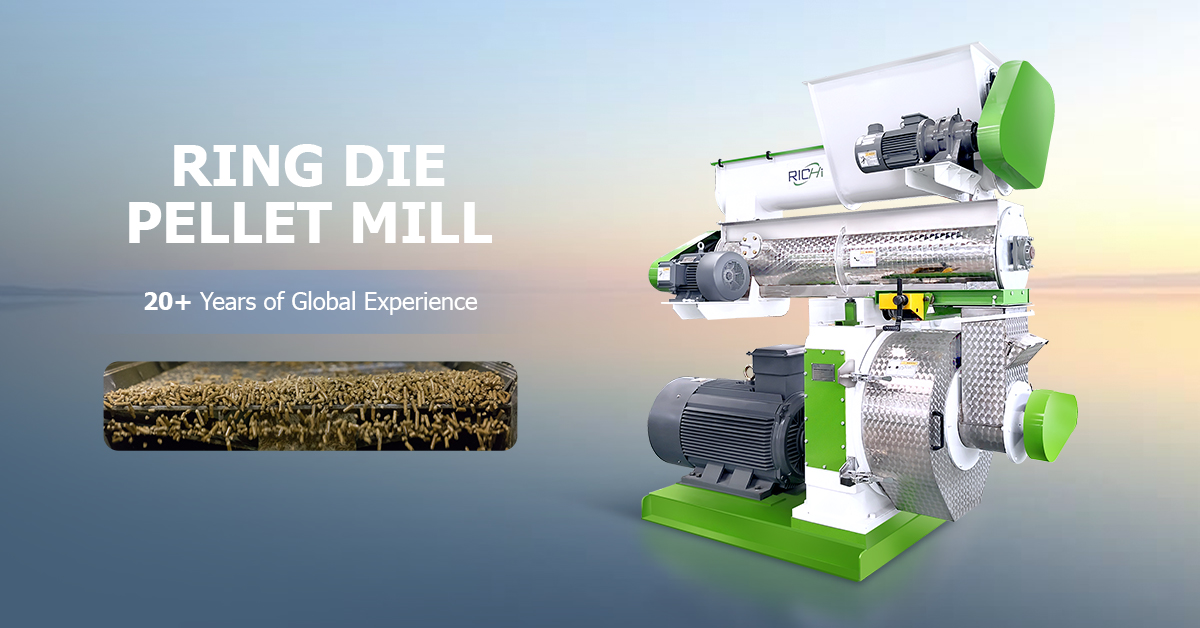
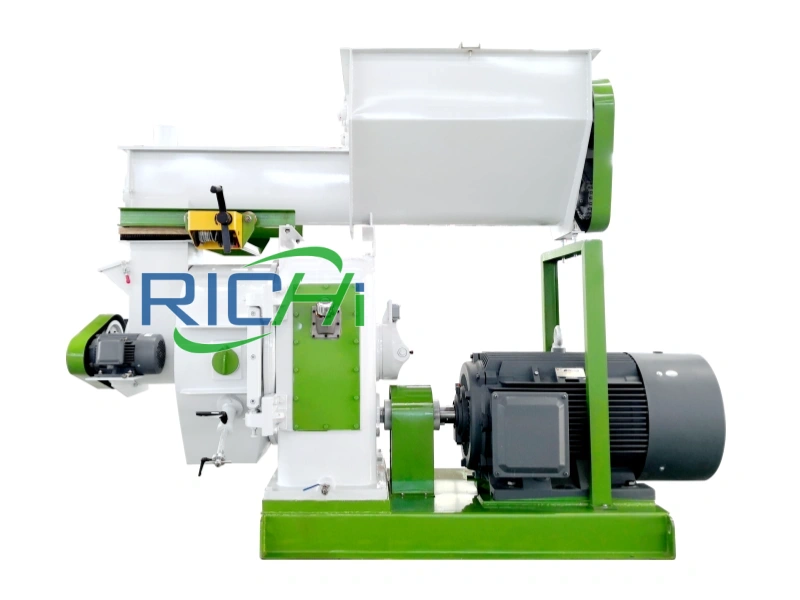
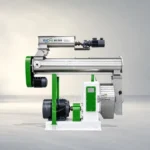
The prepared bagasse is then fed into the pelletizing section. Inside the machine, rollers compress the biomass through die holes under mechanical pressure.
The resulting pellets are denser and more uniform than loose bagasse.
A pellet mill can be configured with different die hole diameters according to the required pellet size. The actual production rate depends on raw material characteristics, moisture, particle size, equipment configuration, and operating conditions.
Cooling and Screening
Fresh biomass pellets leave the pellet mill with heat generated by compression and friction.
A cooler reduces the pellet temperature and helps stabilize the product before storage.
After cooling, a screening machine separates fines and undersized pellets from the finished material. Depending on the production system, suitable fines can potentially be returned to the pelletizing process.
This downstream treatment helps improve the consistency of the final product.
Typical Production Flow
A bagasse pellet production system may follow this process:
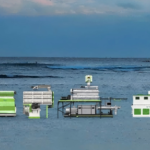
Bagasse collection → crushing → drying → grinding → pelletizing → cooling → screening → storage or packing
The actual configuration can be adjusted according to the raw material condition.
For example, a sugar mill with relatively dry bagasse may require a different preparation section from a facility processing freshly collected material.
Equipment Selection
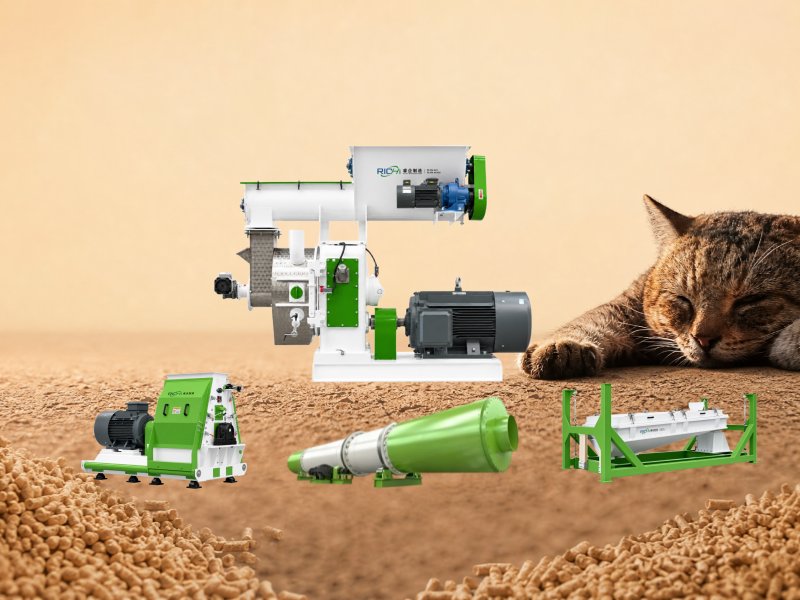
A commercial bagasse pellet project may include:
- Raw material feeding system
- Crusher or size-reduction equipment
- Hammer mill
- Rotary dryer
- Pellet mill
- Cooler
- Vibrating screen
- Conveyors
- Storage equipment
- Packing machine
The equipment capacity should be matched throughout the production process. A high-capacity pellet mill will not provide continuous output if the dryer or grinding section cannot supply enough prepared material.
This is why the entire process should be considered when planning the plant.
Fuel Applications
Bagasse pellets can be used as a solid biomass fuel in suitable industrial and commercial heating systems.
Compared with loose bagasse, pellets have a more standardized shape and higher bulk density. These characteristics can simplify storage and mechanical feeding.
The actual fuel properties depend on the bagasse source, moisture content, pellet density, and production conditions.
Planning Before Investment
Before purchasing equipment, project owners should evaluate:
- Daily bagasse availability
- Initial moisture content
- Required production capacity
- Target pellet diameter
- Available heat source
- Storage capacity
- Packaging requirements
- Level of automation
These details help determine the appropriate crushing, drying, grinding, and pelletizing configuration.
For businesses looking to convert sugarcane-processing residues into a more manageable biomass fuel, bagasse pelletizing can provide a practical route from agricultural residue to densified fuel.
For more information about biomass pellet production and related equipment configurations, read here before planning the complete system.
Related Post: https://pelletizerequipment.com/cassava-pellet-machine/