







Introduction: From Raw Feed Waste to Precision Nutrition
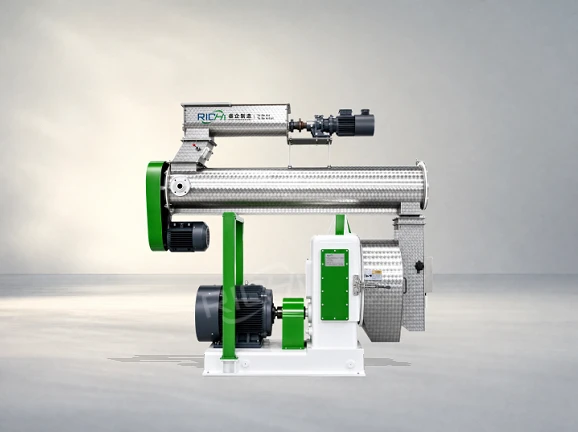
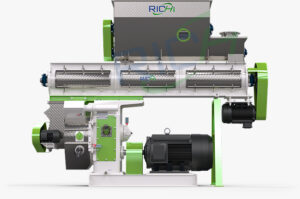
Modern livestock farming is no longer just about producing feed in bulk—it is about precision, efficiency, and consistent nutrition. A livestock feed pellet machine plays a central role in this transformation by converting raw agricultural materials into uniform, nutrient-balanced pellets. This not only reduces feed waste but also improves animal digestion and growth performance across different livestock categories.
As farms scale up, manual mixing or traditional feeding methods often fail to maintain consistency. Pelletizing technology solves this by ensuring every bite of feed contains balanced nutrients, moisture stability, and improved storage life.
Why Pellet Consistency Matters in Livestock Farming
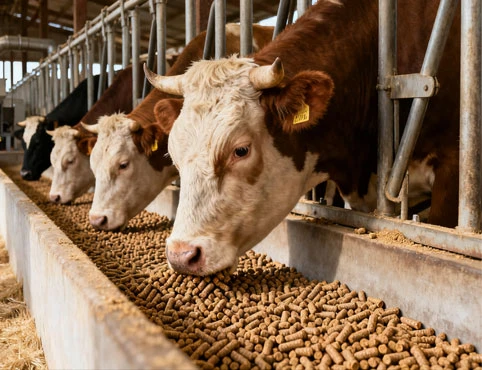
One of the biggest advantages of using a pelletizing system is uniformity. When feed ingredients are compressed under high pressure, animals receive consistent nutrition in every pellet. This leads to better feed conversion ratios and reduces selective feeding behavior.
For example, specialized feed formulations can be designed for different animals. A rabbit pellet making machine helps produce fine, digestible pellets suitable for small digestive systems, while a sheep feed pellet machine is optimized for ruminants requiring higher fiber content and stable energy release.
This adaptability makes pellet machines essential for diversified farms that manage multiple animal species.
Core Advantages of a Livestock Feed Pellet Machine
A modern pellet system is not just a forming device—it is a complete feed optimization solution. Some key advantages include:
1. Improved Feed Utilization
Pelleting improves digestibility by breaking down raw fiber structures and enhancing nutrient absorption. This means animals grow faster with less feed input.
2. Reduced Feed Waste
Loose feed often gets scattered or spoiled. Pellets maintain structure, reducing waste during feeding and storage.
3. Extended Shelf Life
High-pressure processing reduces moisture and bacterial activity, allowing feed to remain stable for longer periods.
4. Flexible Raw Material Usage
Farmers can use corn, soybean meal, wheat bran, grass powder, and even agricultural by-products, making production more cost-efficient.
Application Across Different Farming Systems
The versatility of a livestock pellet system allows it to serve different agricultural sectors:
- Poultry farms benefit from high-protein, fast-digesting pellets
- Cattle farms use high-fiber formulations for rumen health
- Goat and sheep farms require durable, slow-release pellets
- Small animal farms rely on fine, nutrient-dense formulations
For farmers exploring reliable equipment options and industry solutions, they can go now to explore advanced pelletizing systems that match different production capacities and feed requirements.
Technology Behind Modern Pellet Production
Today’s pellet machines are equipped with advanced conditioning systems, adjustable die rollers, and automated temperature control. These features ensure optimal pellet hardness and nutritional retention.
Industrial manufacturers like Richi Machinery focus on integrating automation with durability. Their systems are designed to reduce labor costs while maintaining stable production output, even under continuous operation.
By controlling moisture, pressure, and temperature precisely, modern machines ensure each pellet meets strict quality standards.
Economic Impact for Farmers and Feed Producers
Investing in a livestock feed pellet machine is not only a technical upgrade but also an economic strategy. Farmers can:
- Reduce dependency on expensive commercial feed
- Utilize local raw materials efficiently
- Improve livestock growth rates and market readiness
- Scale production with lower operational costs
Over time, these benefits significantly increase farm profitability and sustainability.
Future of Livestock Feed Processing
As global demand for protein increases, feed efficiency will become even more important. Smart pellet systems integrated with digital monitoring and automated control will dominate the industry. Farms that adopt these technologies early will gain stronger competitiveness in both local and export markets.