







Industrial energy systems are changing rapidly as governments and manufacturers seek cleaner alternatives to fossil fuels. Renewable biomass has emerged as one of the most practical solutions because it combines waste utilization with sustainable fuel production.
Agricultural straw is now being widely processed into biomass pellets suitable for industrial boilers, heating systems, and power generation facilities.
A growing number of biomass investors are turning to the straw pellet mill for sale market to develop scalable renewable fuel projects.
Why Biomass Fuel Is Growing Worldwide
Several factors are accelerating biomass adoption.
Carbon Reduction Targets
Industries must lower greenhouse gas emissions.
Rising Energy Costs
Renewable fuel offers long-term price stability.
Agricultural Waste Availability
Large quantities of crop residue remain underutilized.
Cleaner Industrial Operations
Biomass fuel helps reduce dependence on coal.
Main Agricultural Materials Used for Pellet Production
- Wheat straw
- Rice straw
- Corn stalks
- Cotton residue
- Barley straw
- Oat straw
These materials can be transformed into high-density biomass fuel with proper processing technology.
Importance of Complete Production Systems
Successful pellet manufacturing requires integrated engineering.
Modern factories often include:
- Shredding equipment
- Grinding systems
- Drying machines
- Pelletizing units
- Cooling systems
- Screening machines
- Packaging equipment
Many industrial investors select a 1-2 T/H straw pellet plant for sale for medium-scale renewable energy projects focused on stable commercial production.
How Industrial Pelletizing Technology Works
Industrial pellet systems compress prepared biomass fibers into dense fuel pellets.
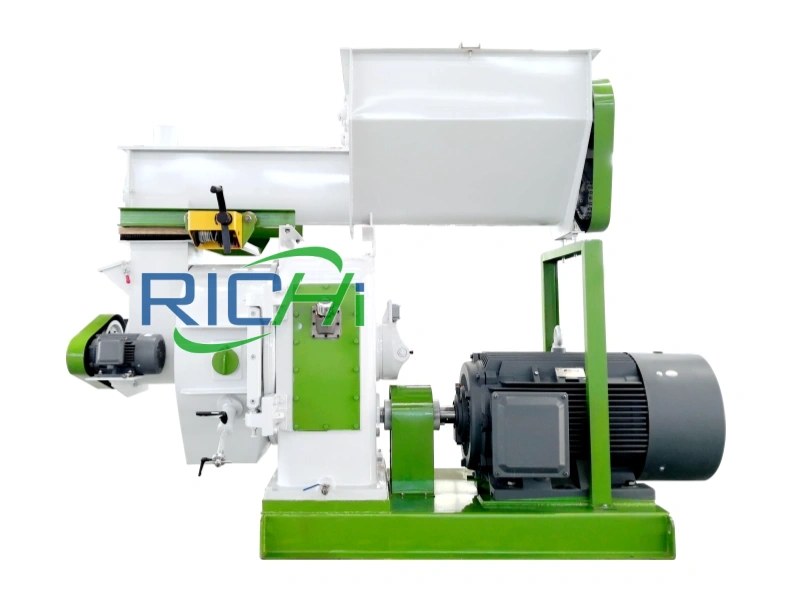
Modern pellet machine for sale technologies typically include:
- Automatic feeding systems
- High-strength alloy dies
- Energy-efficient motors
- Intelligent lubrication systems
- Stable transmission structures
These features improve production consistency while reducing maintenance downtime.
Economic Advantages of Biomass Pellet Projects
Valuable Use of Agricultural Waste
Crop residue becomes a marketable fuel product.
Expanding Renewable Energy Demand
Industrial biomass consumption continues growing.
Export Market Potential
Several countries import renewable fuel pellets.
Rural Employment Opportunities
Biomass factories create jobs in farming communities.
Environmental Benefits of Straw Biomass Processing
Reduced Open Burning
Pellet production lowers agricultural air pollution.
Carbon-Neutral Energy
Biomass fuel supports sustainability goals.
Circular Economy Development
Waste materials become industrial resources.
Cleaner Industrial Heating
Biomass reduces fossil fuel dependence.
Why Automation Matters in Modern Plants
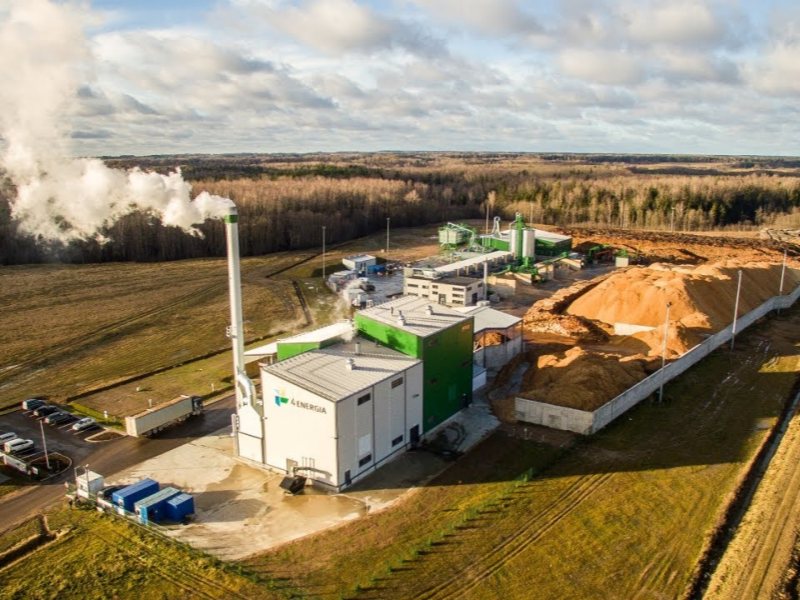
Automation systems help operators manage:
- Moisture control
- Pellet density
- Feeding stability
- Equipment wear
- Energy efficiency
- Production monitoring
Smart factories improve operational reliability and lower labor requirements.
Challenges in Biomass Manufacturing
Despite strong market potential, pellet manufacturers must address:
- Seasonal raw material supply
- Transportation logistics
- Dust management
- Equipment wear
- Fuel quality consistency
Proper engineering and storage strategies are critical for long-term success.
Selecting the Right Equipment Supplier
When choosing pellet machinery, investors should evaluate:
- Production capacity
- Technical support
- Spare parts availability
- Energy efficiency
- Automation level
- Installation services
Long-term operational stability depends heavily on engineering quality.
If you want deeper technical insights into renewable biomass production systems, check my source for additional information about industrial pellet manufacturing strategies and fuel processing technologies.
Future Outlook for Biomass Fuel Production
The biomass industry is expected to continue growing as renewable energy policies expand globally.
Several future trends include:
- Smart monitoring systems
- AI-based factory automation
- Energy recovery technologies
- Multi-feedstock pellet production
- High-efficiency fuel standards
These innovations will further improve the profitability and sustainability of biomass manufacturing.
Conclusion
Straw biomass processing is transforming agricultural waste into a valuable industrial resource capable of supporting renewable energy production and sustainable industrial development.
As industries continue transitioning toward cleaner energy systems, biomass pellet manufacturing will play an increasingly important role in the global renewable energy economy.
(Related Post: https://www.richipelletmill.com/hay-pellet-machine-for-sale/)