

Introduction: The Importance of Feed Cost Control in Aquaculture
Aquaculture has become one of the fastest-growing food production industries worldwide. As demand for fish, shrimp, and other aquatic products continues to increase, farmers are looking for ways to improve production efficiency while controlling operating expenses. Among all production costs in aquaculture, feed is usually the largest expense, often accounting for a significant proportion of total farming costs.
Reducing feed costs does not simply mean purchasing cheaper feed. Low-quality feed may lead to poor growth performance, higher feed consumption, increased waste, and additional water management expenses. The most effective way to reduce feed costs is to improve feed efficiency, enhance nutrient utilization, minimize waste, and produce high-quality feed that supports better animal growth.
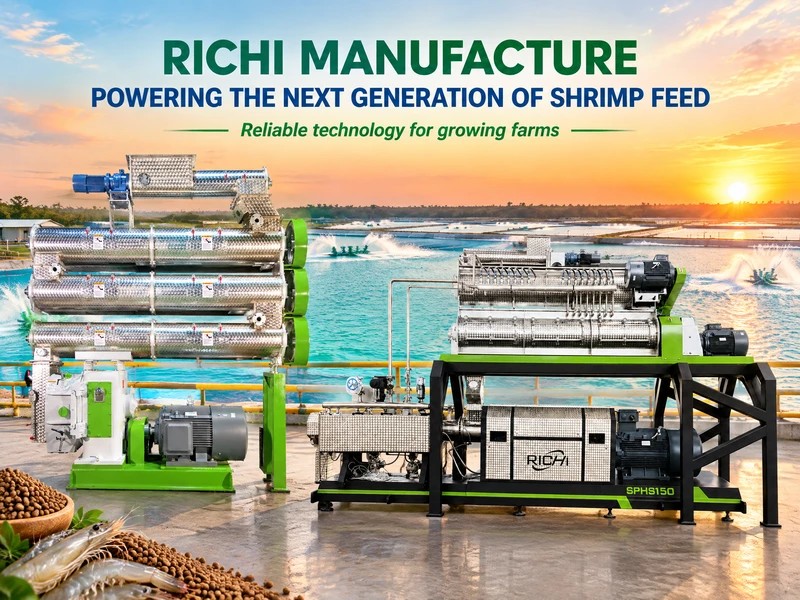
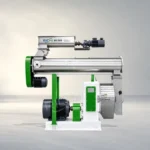
Aquatic feed production plays an important role in achieving these goals. Through scientific formulation, precise processing, and advanced manufacturing technology, feed producers can create products with higher nutritional value and better feeding performance. Modern equipment, especially the floating fish feed extruder, enables manufacturers to produce stable floating pellets with improved digestibility, reduced nutrient loss, and better feed conversion efficiency.
By investing in efficient aquatic feed production technology, farmers and feed manufacturers can significantly reduce long-term feeding costs while improving profitability and sustainability.
Optimized Feed Formulation Reduces Raw Material Expenses
One of the main ways aquatic feed production reduces costs is through scientific feed formulation. The purpose of feed formulation is not simply to maximize nutrient content but to create the most cost-effective combination of ingredients that meets the nutritional requirements of aquatic animals.
Traditional feeding methods may rely on expensive ingredients without considering whether nutrients are efficiently utilized. Professional feed production uses nutritional analysis to balance different ingredients and achieve better results at a lower cost.
Common ingredients used in aquatic feed include:
- Fish meal
- Soybean meal
- Corn
- Wheat flour
- Rice bran
- Vegetable protein sources
- Fish oil
- Vitamins and minerals
By carefully selecting and combining these ingredients, manufacturers can reduce dependence on expensive raw materials while maintaining feed quality.
For example, partial replacement of fish meal with suitable plant protein sources can reduce production costs while still providing sufficient protein for many fish species.
Advanced feed formulation helps achieve:
- Lower ingredient costs
- Balanced nutrition
- Improved growth performance
- Better feed conversion ratio
This means farmers can spend less on feed while achieving the same or better production results.
Improving Feed Conversion Ratio Lowers Feeding Expenses
Feed conversion ratio (FCR) is one of the most important indicators of aquaculture profitability. It measures how efficiently aquatic animals convert feed into body weight.
A lower FCR means less feed is required to produce the same amount of fish biomass.
Poor-quality feed often results in:
- Lower nutrient absorption
- Slower growth
- Higher feed consumption
- Increased production costs
Aquatic feed production improves FCR by creating feed pellets with better digestibility and nutritional balance.
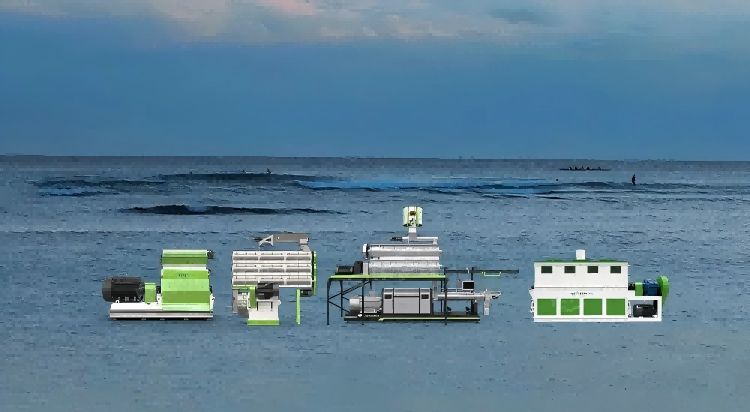
During professional manufacturing, ingredients undergo processes such as:
- Grinding
- Mixing
- Conditioning
- Extrusion
- Drying
These processes improve nutrient availability and make feed easier for aquatic animals to digest.
When fish absorb more nutrients from each pellet, farmers can reduce total feed consumption and lower production expenses.
For large-scale fish farms, even a small improvement in FCR can create significant economic benefits because feed consumption may reach hundreds or thousands of tons annually.
Extrusion Technology Reduces Feed Waste
Feed waste is one of the biggest hidden costs in aquaculture. When feed pellets break apart quickly or sink before fish consume them, valuable nutrients are lost and water quality problems may occur.
Modern extrusion technology helps solve this problem by producing pellets with improved physical characteristics.
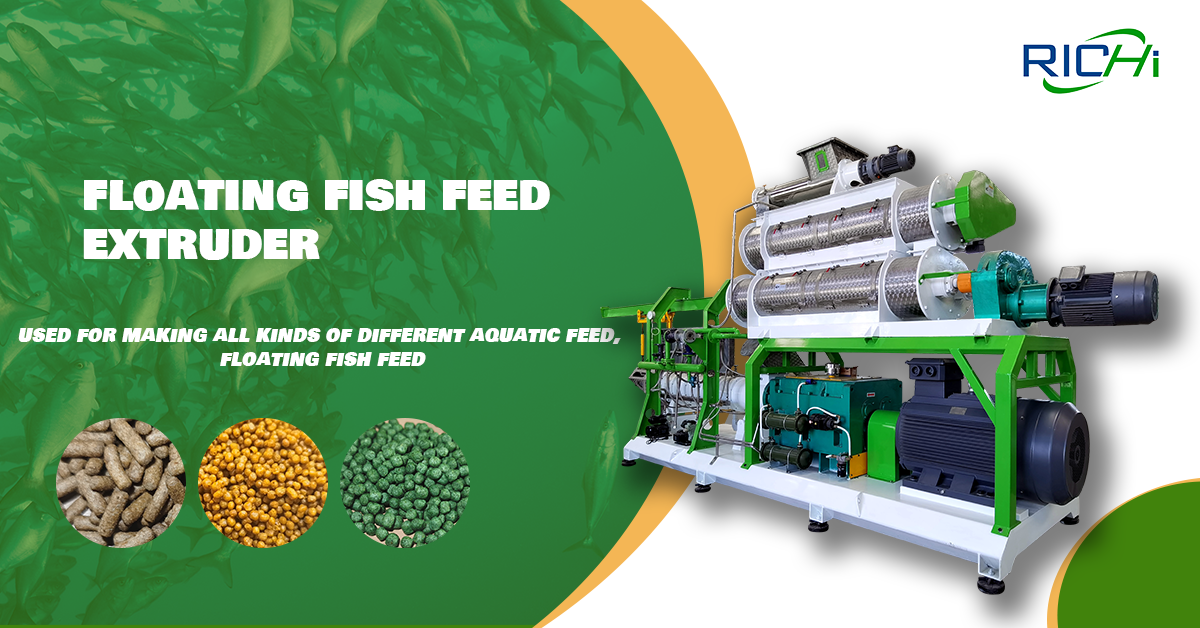
A floating fish feed extruder uses controlled temperature, pressure, and mechanical forces to transform feed mixtures into expanded pellets with stable structures.
The extrusion process provides several advantages:
- Better pellet durability
- Improved floating ability
- Reduced nutrient leakage
- Longer feeding time
- Higher feed utilization
Floating feed allows farmers to observe feeding behavior and adjust feeding quantities more accurately. This prevents overfeeding and reduces unnecessary feed consumption.
By minimizing wasted feed, extrusion technology directly contributes to lower operating costs.
Floating Feed Improves Feeding Management Efficiency
One of the biggest advantages of floating aquatic feed is improved feeding control.
Traditional sinking feed can be difficult to monitor because farmers cannot easily determine whether fish have consumed all pellets. Uneaten feed may accumulate at the bottom of ponds, causing water pollution and additional management costs.
Floating feed solves this problem because pellets remain visible on the water surface.
Farmers can easily evaluate:
- Feeding speed
- Fish appetite
- Appropriate feeding quantity
- Remaining feed amount
The floating fish feed extruder produces pellets with controlled density, allowing feed to stay afloat for sufficient time.
Better feeding management helps:
- Prevent overfeeding
- Reduce feed losses
- Maintain better water quality
- Improve farm efficiency
As a result, farmers spend less money on unnecessary feed and water treatment.
https://richipelletizer.com/floating-fish-feed-extruder-machine
Improving Nutrient Utilization Through Better Processing
The nutritional value of feed depends not only on ingredients but also on how effectively nutrients can be absorbed by aquatic animals.
Advanced aquatic feed production improves nutrient utilization through proper processing techniques.
During extrusion, high temperature and pressure cause starch gelatinization, which improves carbohydrate digestibility.
The benefits include:
- Better energy utilization
- Faster growth
- Reduced nutrient waste
- Improved feed efficiency
Protein ingredients are also processed more effectively, allowing fish to absorb essential amino acids more efficiently.
When nutrients are utilized better, farmers require less feed to achieve target growth, directly reducing feeding costs.
Producing Customized Feed Reduces Unnecessary Expenses
Different aquatic species have different nutritional requirements. Using unsuitable feed formulas can increase costs because animals may not efficiently utilize nutrients.
Aquatic feed production allows manufacturers to create customized products based on:
- Species type
- Growth stage
- Farming environment
- Feeding habits
- Production objectives
For example:
Juvenile Fish Feed
Young fish require smaller pellets with higher nutrient density.
Adult Fish Feed
Larger fish require appropriately sized pellets with balanced energy and protein levels.
Shrimp Feed
Shrimp require highly stable pellets because they consume feed slowly.
Customized feed ensures that nutrients match animal requirements, reducing waste and improving economic efficiency.
Automation Reduces Labor and Production Costs
Modern aquatic feed production lines use automation technology to improve efficiency and reduce manufacturing expenses.
Automatic systems can control:
- Raw material weighing
- Ingredient transportation
- Mixing
- Extrusion
- Drying
- Packaging
Automation reduces dependence on manual labor and improves production consistency.
Benefits include:
- Lower labor costs
- Faster production speed
- Reduced human error
- More stable product quality
For large-scale feed manufacturers, automated production can significantly reduce the cost per ton of feed.
Reducing Energy Consumption Through Efficient Equipment
Energy costs are another important factor affecting feed production expenses.
Modern feed equipment is designed to improve energy efficiency through:
- Optimized motor performance
- Improved processing systems
- Better production control
A high-quality floating fish feed extruder can improve production efficiency by maintaining stable operation and reducing unnecessary energy losses.
Efficient equipment helps manufacturers:
- Lower electricity costs
- Increase production output
- Reduce downtime
- Improve profitability
Selecting energy-efficient machinery is an important long-term strategy for reducing feed manufacturing costs.
Using Alternative Ingredients to Lower Feed Costs
Aquatic feed production also helps reduce costs by allowing manufacturers to use alternative ingredients.
As traditional feed ingredients become more expensive, producers are exploring affordable and sustainable options, including:
- Agricultural by-products
- Plant protein sources
- Grain processing residues
- Alternative protein ingredients
With proper formulation and processing technology, these materials can replace part of more expensive ingredients while maintaining feed performance.
Advanced extrusion equipment helps process different ingredient combinations and ensures good pellet quality.
This flexibility allows manufacturers to adapt to raw material price changes and maintain competitive production costs.
Reducing Storage and Transportation Losses
High-quality aquatic feed production also helps reduce losses during storage and transportation.
Poor-quality pellets may:
- Break easily
- Absorb moisture
- Lose nutrients
- Develop mold
Professional production processes improve pellet strength and stability, reducing product damage.
Better feed quality means:
- Longer storage life
- Fewer rejected products
- Lower transportation losses
For commercial feed companies, reducing these hidden losses can significantly improve overall profitability.
Improving Farm Profitability Through Efficient Feed Production
The ultimate goal of reducing feed costs is to improve aquaculture profitability.
Efficient aquatic feed production helps farmers achieve this by:
- Increasing growth rates
- Improving feed conversion ratios
- Reducing waste
- Lowering production expenses
- Improving animal health
A small improvement in feed efficiency can create major financial benefits, especially for large-scale farms.
For feed manufacturers, producing efficient feed products also creates stronger market competitiveness and customer loyalty.
The Importance of Choosing the Right Feed Production Equipment
Equipment selection directly affects feed quality and production costs.
When choosing aquatic feed production equipment, investors should consider:
- Production capacity
- Feed type
- Raw material characteristics
- Energy consumption
- Automation level
- Maintenance requirements
A suitable floating fish feed extruder should provide:
- Stable operation
- Adjustable processing parameters
- Uniform pellet quality
- High production efficiency
- Long service life
Working with experienced equipment suppliers helps businesses develop production solutions that match their investment goals and market requirements.
(view our website: Richi Machinery)
Future Trends in Cost-Efficient Aquatic Feed Production
The aquatic feed industry will continue to focus on improving efficiency and reducing production costs.
Future trends include:
- Smart automated factories
- More sustainable ingredients
- Improved feed formulas
- Energy-saving equipment
- Digital production management
As competition in aquaculture increases, manufacturers and farmers will continue searching for ways to produce more efficiently with fewer resources.
Advanced processing technologies will remain essential for achieving these goals.
Conclusion: Aquatic Feed Production Is a Key Solution for Reducing Feed Costs
Aquatic feed production reduces feed costs by improving formulation efficiency, increasing nutrient utilization, minimizing waste, and optimizing production processes.
Modern extrusion technology, especially the use of a floating fish feed extruder, allows manufacturers to produce high-quality floating pellets with excellent digestibility, stable structure, and improved feeding efficiency.
By combining scientific formulas, advanced equipment, automation, and strict quality control, aquatic feed producers can create products that help farmers reduce expenses and improve profitability.
As global aquaculture continues to grow, efficient feed production will become increasingly important. Investing in modern aquatic feed manufacturing technology is not only a way to reduce costs but also a strategic approach to achieving sustainable growth in the aquaculture industry.