





If you’ve ever fed chickens or pigs, you know the drill. The feed goes into the feeder, the animals eat, and that’s that. It’s straightforward. The feed doesn’t need to float. It doesn’t need to stay intact in water for hours. It doesn’t need to sink at a controlled rate. It just needs to be nutritious and palatable.
Prawn feed is a different story entirely. Prawns are bottom feeders. They don’t swim up to the surface to grab pellets. The feed has to sink to where they are—but not too fast. If it sinks too quickly, it embeds in the substrate and the prawns can’t reach it. If it sinks too slowly, it drifts away with water currents. The sinking rate has to be just right.
Then there’s the water stability problem. Prawns are slow eaters. A pellet might sit in the water for two or three hours before a prawn finds it and consumes it. During that time, the pellet has to hold its shape. It can’t dissolve. It can’t break apart. It has to stay intact, delivering nutrition until it’s eaten. If it breaks down, the nutrients are lost to the water, and you’ve wasted your feed.
These are the challenges that make prawn feed production unique. The equipment, the formulation, and the processing all have to be tailored to meet these requirements. And that’s where specialized feed processing equipment comes in.
The Water Stability Problem
Water stability is the single most important quality characteristic of prawn feed. A pellet that breaks apart in water is a pellet that’s wasted. The prawn never gets the nutrition, and the water quality suffers from the dissolved nutrients.
Water stability is achieved through the combination of ingredients, particle size, conditioning, and compression. The starch in the feed needs to be gelatinized to create a binding structure. The conditioning process needs to be controlled to activate the natural binders. The compression needs to be sufficient to create a dense pellet that resists water penetration.
If the starch is not properly gelatinized, the pellet will absorb water and disintegrate. If the conditioning is inadequate, the binders won’t activate. If the compression is too low, the pellet will be porous and weak.
Testing water stability is part of quality control. Samples of finished pellets are placed in water and checked at regular intervals. The pellets should remain intact for at least two hours.
The Sinking Rate
The sinking rate is the second critical characteristic. Prawns feed on the bottom. The pellets need to reach the bottom in a controlled manner.
If the pellets sink too fast, they may be difficult for the prawns to find before they embed in the mud. If they sink too slowly, they may be carried away by water movement.
The sinking rate is determined by the density of the pellet. The density is affected by the compression, the particle size, and the conditioning. A properly processed pellet sinks at the right rate.
The Formulation
Prawn feed requires a different formulation than other animal feeds. Prawns need high protein levels—typically 30% to 40% of the diet. The protein must be highly digestible and come from sources that prawns find palatable.
Fishmeal has been the traditional protein source for prawn feed. But fishmeal prices are volatile, and supply is limited. Alternative protein sources—soybean meal, other plant proteins—are being used increasingly. But these alternative proteins have different characteristics that affect processing.
The fat content of prawn feed is also significant. Fats provide energy, but high fat levels can affect pellet quality. The fat can be added after pelleting, by coating, to avoid interference with the binding process.
The fiber content is lower than in ruminant feed. Prawns have a simple digestive system and limited ability to process fiber.
The Equipment
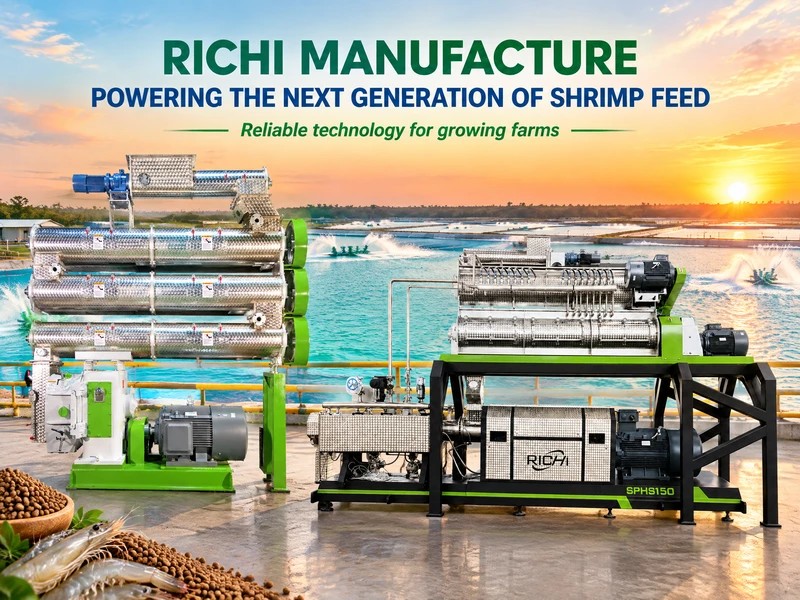
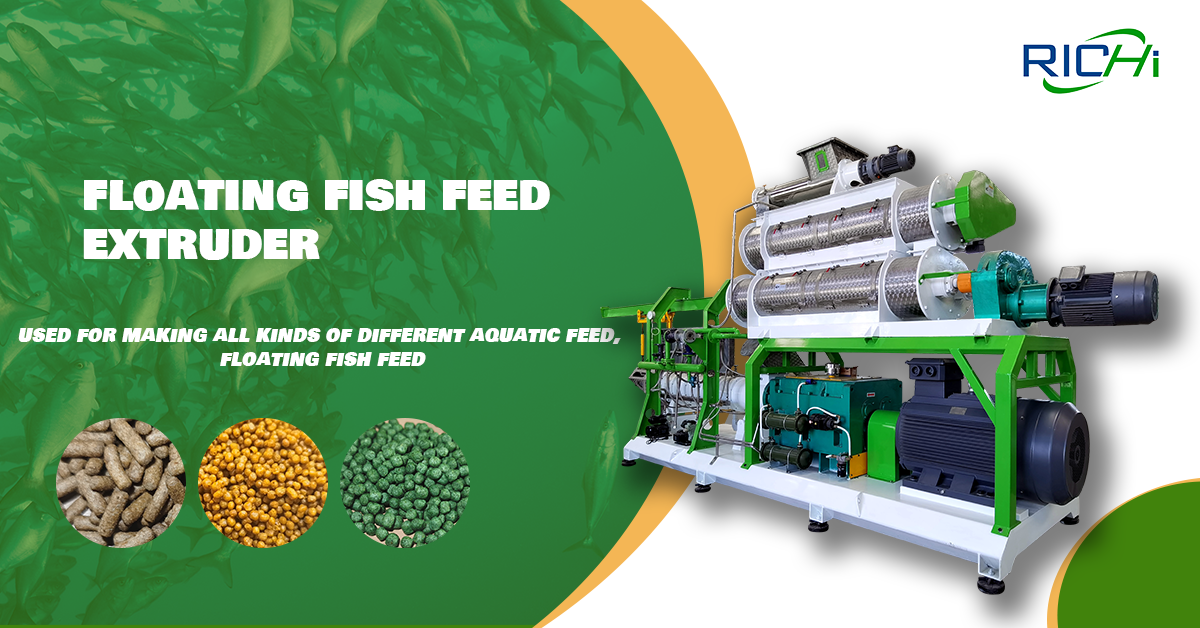
A prawn feed machine is specialized equipment designed for the specific requirements of aquaculture feed production. The machine must produce pellets of consistent size, density, and water stability.
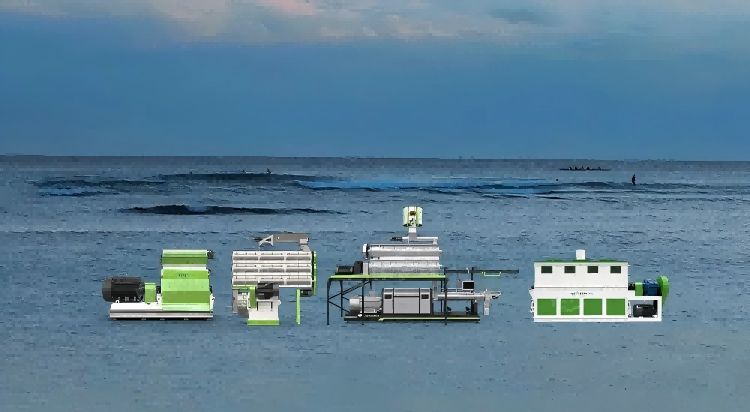
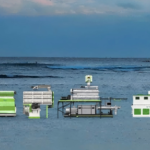
The prawn feed machine includes the grinder, mixer, conditioner, extruder or pellet mill, dryer, and coater. Each stage contributes to the final product quality.
The grinding stage reduces the ingredients to a fine particle size. For prawn feed, the particles are smaller than for poultry or ruminant feed. The fine particle size improves the binding and the water stability.
The mixing stage blends the ingredients thoroughly. The mixing must ensure that every particle contains the correct balance of nutrients.
The conditioning stage adds steam to the mix. The conditioning gelatinizes the starch and activates the binders. The temperature and moisture are carefully controlled.
The pelleting stage compresses the conditioned material through a die. The die hole diameter determines the pellet size. For prawns, the pellet size is typically 1 to 3 millimeters for juveniles and 3 to 5 millimeters for adults.
The drying stage reduces the moisture content of the finished pellets. The moisture content must be low enough to prevent spoilage.
The coating stage adds fats and other additives. The coating improves the palatability and the nutritional value of the feed.
The Role of the Pelletizer
The animal feed pelletizer is the component that performs the compression. For prawn feed, the pelletizer must be capable of producing dense pellets with consistent water stability.
The die is the key component. The die holes must be precisely machined. The compression ratio must be set for the specific material. A die that’s too tight produces hard pellets that may be less palatable. A die that’s too loose produces soft pellets that lack water stability.
The rollers press the material through the die. The gap between the rollers and the die must be set for the specific material. The bearings must be sealed against contamination.
The motor must provide sufficient power. The power requirement depends on the capacity and the material characteristics.
The Manufacturer’s Role
The manufacturer of the equipment affects the quality of the finished product. A manufacturer with experience in aquaculture feed production understands the specific requirements of the material and the process.
Richi Pellet Mill has experience in producing equipment for aquaculture feed. The understanding of water stability, sinking rate, and pellet quality informs the equipment design and configuration.
The equipment is built for reliability. The die and rollers are made from wear-resistant materials. The bearings are sealed. The control system allows for precise adjustment of parameters.
The support includes installation, training, and after-sales assistance. Operators receive training on the operation and maintenance of the equipment. The availability of genuine parts ensures consistent operation.
The Production Process
The production of prawn feed follows a sequence of steps. The ingredients are weighed, ground, and mixed. The mixed material is conditioned with steam. The conditioned material is pelleted. The pellets are dried, cooled, and coated.
The grinding step must achieve the target particle size. For prawn feed, the target particle size is typically 200 to 400 microns.
The mixing step must be thorough. The ingredients must be evenly distributed to ensure consistent pellet quality.
The conditioning step must achieve the target temperature and moisture. The temperature is typically 80°C to 90°C. The moisture is typically 15% to 18%.
The pelleting step must achieve the target density. The density affects the sinking rate and the water stability.
The drying step must reduce the moisture content to 10% to 12%. The drying temperature must be controlled to prevent damage to the nutrients.
The coating step applies the fat and other additives. The coating improves the palatability and the nutritional value.
Quality Control
Quality control for prawn feed includes testing for water stability, sinking rate, moisture content, and nutrient composition. The pellets are tested regularly to ensure they meet the specifications.
Water stability testing involves placing samples in water and observing how long they remain intact. The target is typically two hours or more.
Sinking rate testing involves dropping pellets into water and measuring how fast they sink. The target is typically 2 to 5 centimeters per second.
Moisture content testing ensures the pellets are dry enough for storage. The target is typically 10% to 12%.
Nutrient testing ensures the pellets contain the required levels of protein, fat, and other nutrients.
For more information on equipment specifications and production processes, check this resource for detailed guidance on prawn feed production.
The Practical Reality
Prawn feed production requires attention to detail. The water stability, sinking rate, and pellet quality are all affected by the processing parameters. The equipment must be operated correctly to achieve consistent quality.
The investment in specialized equipment is justified by the value of the finished product. Prawn feed is a high-value product, and the market demands consistent quality. For producers who can deliver that quality, the returns are attractive.
The technology is proven, and the equipment is available. For those entering the prawn feed market, the key is choosing the right equipment and operating it properly. The prawns will eat well, and the bottom line will reflect the investment.