




Introduction
Germany has become one of Europe’s most important markets for renewable energy development. With increasing demand for sustainable fuel solutions, many companies are exploring new business opportunities based on locally available biomass resources.
Unlike traditional energy industries that depend heavily on fossil fuels, biomass fuel production creates opportunities by utilizing renewable materials that already exist within agricultural and forestry systems.
Every year, Germany produces large quantities of biomass residues, including:
- Wood processing waste
- Agricultural by-products
- Forestry residues
- Crop shells
- Organic materials from industrial activities
Previously, many of these resources had limited economic value. However, modern processing technologies allow businesses to convert these materials into standardized fuel products that can be sold in local and international markets.
For entrepreneurs and small-to-medium enterprises, biomass fuel production provides a practical investment opportunity. With suitable planning, reliable raw materials, and efficient equipment, companies can establish profitable operations while supporting Germany’s renewable energy goals.
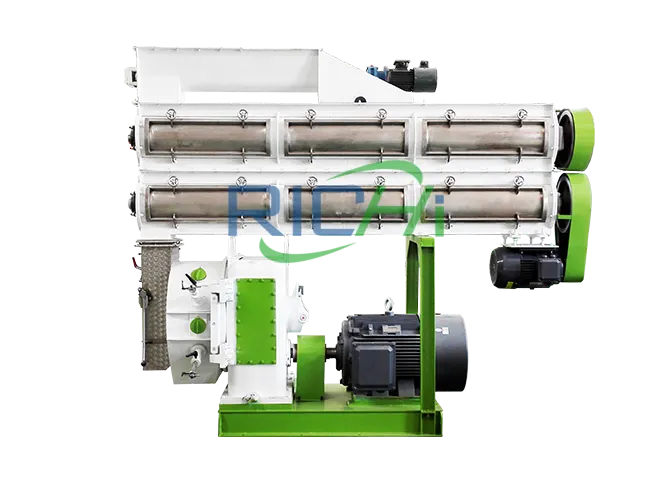
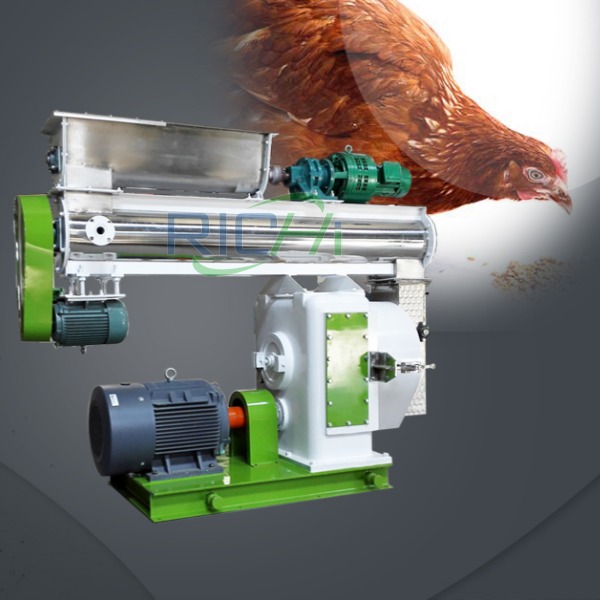
Many investors first evaluate production solutions such as pellet making machine germany when researching equipment suitable for European operating standards and biomass processing requirements.
Why Germany Provides Favorable Conditions for Biomass Businesses
Germany’s biomass industry has developed rapidly because several important conditions support long-term growth.
Strong Renewable Energy Demand
Germany has continued to increase its focus on renewable energy solutions.
Businesses and consumers are looking for alternatives that can help:
- Reduce carbon emissions
- Improve energy security
- Utilize local resources
Biomass fuel fits these requirements because it can be stored and used according to energy demand.
Unlike solar or wind power, which depend on weather conditions, biomass can provide a more controllable energy source.
Abundant Biomass Resources
One of the biggest advantages of Germany’s biomass industry is the availability of raw materials.
The country has a developed forestry sector and large agricultural production areas.
Common resources include:
Wood Residues
Wood processing industries generate:
- Sawdust
- Wood chips
- Bark residues
These materials are suitable for producing fuel products after proper processing.
Agricultural Waste
Agricultural businesses produce large amounts of residues such as:
- Straw
- Corn stalks
- Plant shells
Instead of disposal, these materials can become valuable energy resources.
Business Models in the German Biomass Market
There are different ways companies can participate in biomass fuel production.
Local Biomass Processing Business
Small businesses can collect biomass materials from nearby farms and forestry companies.
Their advantages include:
- Lower transportation costs
- Stable local supply
- Strong regional relationships
These companies usually focus on supplying nearby heating markets.
Industrial Fuel Production
Larger companies may establish commercial production facilities.
These projects typically focus on:
- Higher output capacity
- Long-term supply contracts
- Large customer networks
Industrial producers may supply:
- Energy companies
- Heating suppliers
- Manufacturing facilities
Waste-to-Energy Business Opportunities
Another growing opportunity is converting waste materials into useful fuel.
Industries producing organic waste can reduce disposal costs while creating additional revenue.
This circular business model is becoming increasingly attractive in Europe.
Important Factors Before Starting a Biomass Fuel Project
Although biomass production has strong potential, successful projects require careful preparation.
Raw Material Supply Planning
The first step is understanding available resources.
Investors should evaluate:
- Annual material availability
- Seasonal changes
- Transportation distance
- Storage requirements
A stable supply chain is essential for continuous operation.
Market Analysis
Before investing, companies should understand their target customers.
Potential buyers include:
- Heating companies
- Industrial users
- Agricultural enterprises
- Renewable energy projects
Understanding customer requirements helps determine the appropriate production scale.
Equipment Selection
Equipment selection directly affects production efficiency and profitability.
Businesses should consider:
- Production capacity
- Energy consumption
- Maintenance requirements
- Automation level
For companies processing wood-based materials, equipment such as a wood chip pellet maker can provide suitable processing capabilities for converting wood residues into fuel products.
Production Process of a Biomass Fuel Facility
A professional biomass production facility usually includes several stages.
Material Preparation
Raw materials first need preparation.
This may include:
- Crushing
- Screening
- Drying
- Moisture adjustment
Proper preparation improves final product quality.
Pellet Forming
After preparation, biomass materials enter the compression process.
During this stage, materials are compressed under high pressure to create dense fuel products.
The quality of this process affects:
- Pellet durability
- Combustion performance
- Storage stability
A reliable pellet press helps ensure consistent production results.
Cooling and Packaging
After forming, products need cooling before storage.
Cooling improves hardness and prevents quality problems during transportation.
For commercial sales, packaging systems help improve efficiency and product appearance.
Investment Advantages of Biomass Production in Germany
Growing Renewable Energy Market
Demand for renewable fuels continues increasing.
This creates long-term opportunities for companies entering the market.
Resource Efficiency
Biomass production supports better resource utilization.
Materials that were previously considered waste can generate economic value.
Multiple Revenue Sources
Businesses can create income through:
- Fuel pellet sales
- Waste processing services
- Long-term energy supply contracts
Challenges Investors Should Consider
Despite strong market opportunities, businesses should also consider potential challenges.
Raw Material Price Fluctuation
Biomass availability and pricing can change due to:
- Weather conditions
- Agricultural production cycles
- Market competition
Effective supply management is necessary.
Technical Management
Production equipment requires regular maintenance.
Important maintenance areas include:
- Compression components
- Bearings
- Motors
- Feeding systems
Proper maintenance helps reduce downtime.
Market Competition
As more companies enter the renewable energy sector, producers need to focus on:
- Product quality
- Production efficiency
- Customer service
Building a reliable reputation is important for long-term success.
Future Outlook for Biomass Businesses in Germany
The biomass fuel industry in Germany is expected to continue developing.
Future trends include:
More Automated Production
Digital technology will improve:
- Production monitoring
- Equipment management
- Energy efficiency
More Flexible Raw Materials
Future systems will process a wider range of biomass resources.
This allows businesses to adapt to changing material markets.
Greater Sustainability Requirements
Customers will increasingly focus on:
- Environmental performance
- Resource efficiency
- Responsible production methods
Businesses researching biomass investment strategies often review technical information and industry discussions before making decisions. Some investors may also check my source for additional references when comparing different production approaches.
Conclusion
Germany provides a strong environment for biomass fuel businesses because of its renewable energy demand, available resources, and advanced industrial infrastructure.
For entrepreneurs and companies, biomass production represents more than an energy project. It is an opportunity to create value from unused resources while supporting sustainable development.
Successful investment depends on careful planning, suitable technology selection, reliable raw material supply, and understanding market needs.
As Germany continues moving toward cleaner energy solutions, biomass fuel businesses will continue to provide attractive opportunities for companies looking for sustainable growth.
Related Post: https://pelletizerequipment.com/sawdust-pellet-machine-for-sale/