






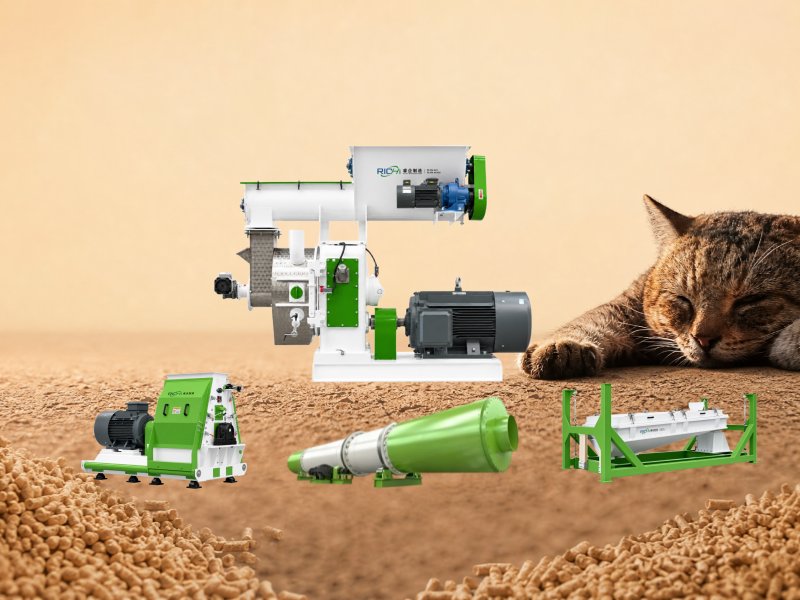
When manufacturers discuss sawdust cat litter, conversations often focus on pellet diameter, production capacity or the pellet machine. Yet one of the less visible factors can have a major effect on the entire process: moisture.
Two batches of sawdust can look almost identical but behave very differently during production if their moisture levels are not the same.
This is especially important for companies sourcing wood waste from different suppliers, seasons or production processes.
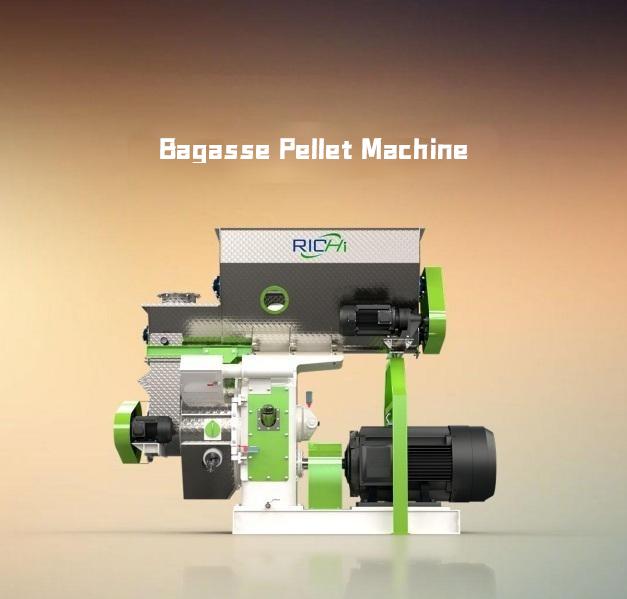
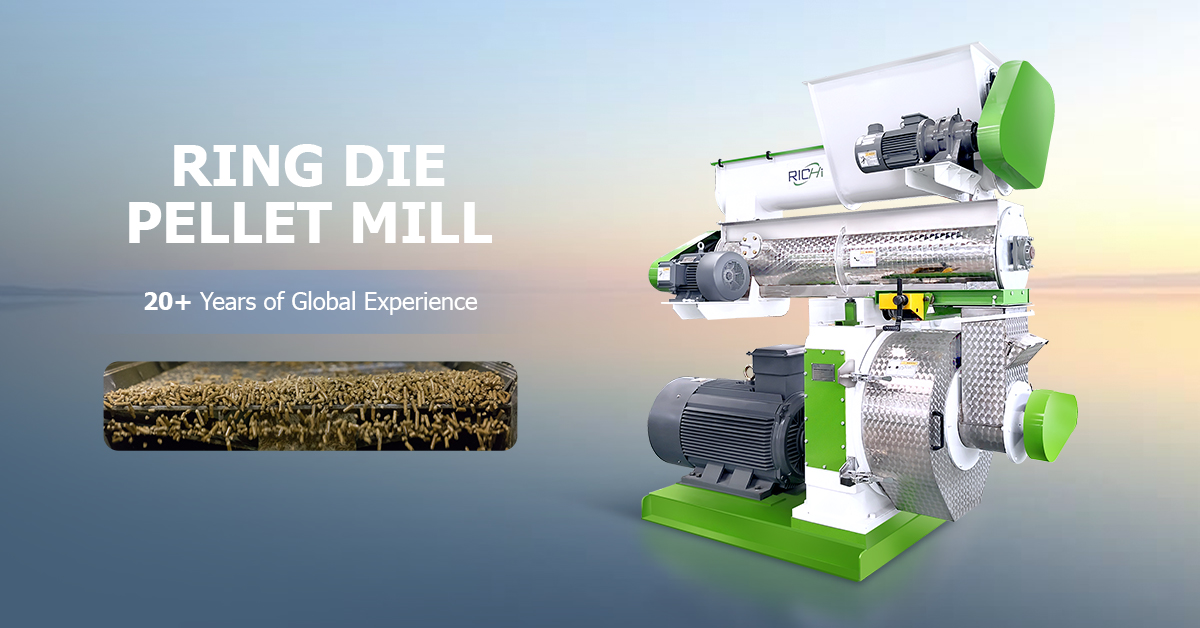
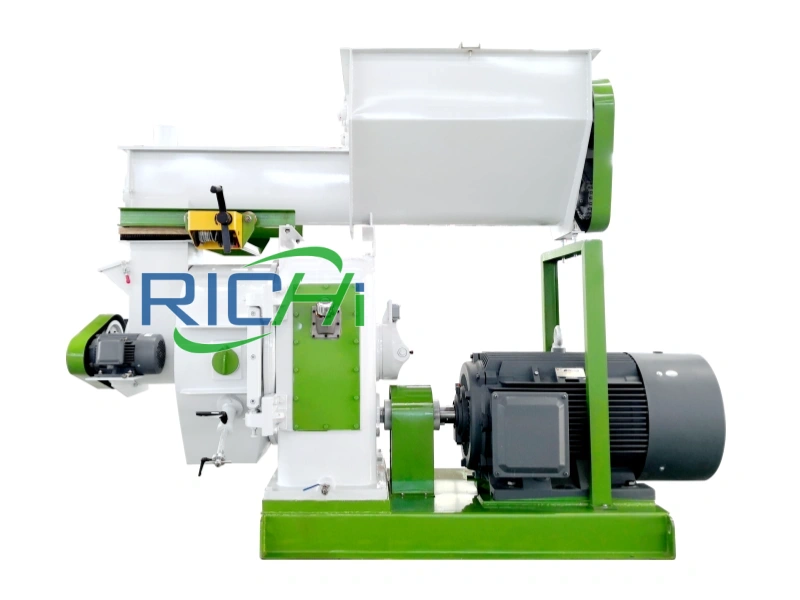
A reliable Sawdust Cat Litter Machine therefore needs to be supported by a raw-material preparation process that can keep moisture and particle characteristics within a suitable range.
Moisture Begins Before the Factory
Sawdust does not arrive at a factory in a standardized condition.
Material from a furniture workshop may be relatively dry. Fresh residues from a sawmill may contain significantly more moisture. Outdoor storage can introduce additional variation because of rain and humidity.
The same production line may therefore receive raw materials with different moisture levels from week to week.
This creates a challenge.
If the operator uses exactly the same pelletizing parameters for every batch, the results may not always remain consistent.
The solution is not necessarily to constantly adjust the pellet mill.
It is better to establish a controlled raw-material preparation process.
What Does a Dryer Actually Do?
The primary role of a dryer is to remove excess moisture and create a more predictable feedstock for downstream processing.
In a wood-based cat litter plant, drying can be positioned between size reduction and pelletizing.
A simplified process may look like:
Wood waste → Crushing → Drying → Buffer storage → Mixing → Pelletizing → Cooling → Screening → Packaging
The actual process may vary depending on the raw material.
For already dry sawdust, the drying stage may be reduced or omitted.
For wet wood chips, drying may be essential.
Choosing a Dryer by More Than Capacity
A common purchasing mistake is to compare dryers only by their hourly capacity.
A more useful evaluation includes:
Initial Moisture
How much water is actually entering the dryer?
Final Moisture
What condition should the material reach before pelletizing?
Feedstock Particle Size
Fine sawdust and large wood chips can have different drying behavior.
Heat Source
The available energy source can influence operating cost and dryer configuration.
Material Flow
Continuous production requires a stable material supply.
Dust Management
Drying and conveying fine wood particles requires appropriate dust-control planning.
For companies comparing an industrial wood chip dryer for sale, these factors can be more useful than the headline capacity.
Why Over-Drying Is Not Always Helpful
Drying is not simply a process of removing as much moisture as possible.
Excessive drying may increase energy consumption without creating a corresponding production benefit.
The objective is to achieve a suitable material condition for the next process.
This is an important principle in industrial processing:
Control the variable; do not maximize the variable.
The same idea applies to grinding, pellet density and cooling.
What Happens When Sawdust Is Too Wet?
Excessive moisture can influence material feeding and pellet formation.
The raw material may not move consistently through the feeding system.
It may also behave differently under compression.
The resulting pellets can have inconsistent strength or moisture characteristics.
Downstream drying may then become more demanding.
Therefore, moisture problems can propagate through the entire production line.
What Happens When the Material Is Too Dry?
Extremely dry material can also create challenges.
Very dry particles may generate more dust and behave differently during compression.
Depending on the wood species and process conditions, the manufacturer may need to adjust formulation or processing parameters.
Again, the objective is balance.
The ideal operating condition depends on the specific raw material and equipment configuration.
Why Storage After Drying Can Matter
One detail often overlooked in production-line design is the period between drying and pelletizing.
If dried sawdust is exposed to humid conditions for an extended period, its moisture content may change again.
A buffer silo or controlled storage system can help maintain production continuity.
It can also separate the drying section from the pelletizing section.
This means that a temporary fluctuation in the dryer does not necessarily stop the entire production line immediately.
How Does Particle Size Interact With Moisture?
Moisture and particle size are not independent.
Fine particles have a large surface area and can behave differently during drying and pelletizing.
Larger chips may require additional crushing before they can be efficiently processed.
This is why a commercial plant often uses multiple preparation stages rather than trying to solve every problem inside the pellet mill.
Is Crushing Always Required?
No.
If the incoming material is already suitable sawdust, additional grinding may not provide significant value.
But if the raw material contains chips, shavings or larger wood pieces, a crushing stage can be useful.
For a business purchasing a commercial wood crusher machine for sale, the key question should be:
“What material size am I receiving, and what size does my pelletizing process require?”
The answer determines the appropriate crusher configuration.
The Relationship Between Drying and Pelletizing
Pelletizing is sensitive to the physical condition of the feedstock.
When moisture and particle size are stable, the operator can establish more predictable production parameters.
When those variables change constantly, the pelletizing section may need frequent adjustment.
This is one reason why experienced plant designers often focus heavily on preprocessing.
A well-prepared raw material makes downstream processing easier.
Can Different Woods Be Mixed?
In some product concepts, yes.
However, mixing different woods changes the physical characteristics of the feedstock.
Softwood and hardwood may behave differently during grinding and pelletizing.
Different sources may also have different moisture levels.
If a factory wants to mix several materials, it should establish a controlled blending ratio rather than relying on random proportions.
This can make the finished product more consistent.
What Does Quality Mean for Cat Litter?
Quality should be defined from the user’s perspective.
A cat owner may care about:
- How much dust is generated
- How well the litter absorbs liquid
- How easily it breaks down
- Whether it tracks around the house
- How convenient it is to clean
- Whether the pellets remain intact during transportation
These consumer expectations need to be translated into manufacturing parameters.
For example, pellet strength matters because weak pellets can create fines during packaging and transport.
Absorption depends on material characteristics and pellet structure.
Therefore, quality control should extend beyond visual inspection.
Why Screening Is Important After Pelletizing
Screening can separate qualified pellets from fines and oversized particles.
This allows the manufacturer to control the final product size more precisely.
The screening result can also provide feedback about the upstream process.
If too many fines are generated, the manufacturer may need to examine pellet strength, cutting, cooling or handling conditions.
In this way, screening becomes not just a final step but also a diagnostic tool.
Could a Dryer Affect Product Positioning?
Indirectly, yes.
A consistent drying process helps create consistent feedstock.
Consistent feedstock can support more predictable pellet quality.
And predictable pellet quality makes it easier to develop a stable commercial product.
This is particularly important for branded cat litter.
A consumer expects the same product characteristics every time they purchase the same product.
Therefore, industrial process control supports brand consistency.
How Can a Production Line Be Designed Around Seasonal Changes?
This is particularly relevant for wood-processing businesses.
Raw material moisture can vary during different seasons.
Instead of designing the dryer only around average conditions, the manufacturer should consider the worst realistic incoming moisture.
At the same time, the system should remain practical during periods when the raw material is relatively dry.
A flexible drying system can therefore provide better year-round stability.
What Should Buyers Tell Equipment Suppliers?
Before requesting a quotation, buyers should provide:
- Raw material type
- Initial moisture range
- Desired production capacity
- Target pellet diameter
- Available heat source
- Working hours per day
- Expected seasonal variation
- Existing crushing equipment
- Factory space
This information helps determine whether drying, crushing or storage equipment needs to be included.
Why Integrated Engineering Is Useful
A dryer selected independently from the pellet mill may not always match the actual production requirement.
If the dryer produces material faster than the pelletizing section can consume it, storage is needed.
If the dryer cannot maintain the required feed rate, the pelletizing section may be starved.
This illustrates why complete production planning is important.
Companies such as Richi manufacture equipment for different stages of pellet-processing projects, allowing the process to be considered as a connected system rather than a collection of unrelated machines.
From Moisture Control to Finished Product
The most reliable cat litter production processes do not treat moisture as an afterthought.
It is part of the raw-material specification.
Once moisture is controlled, grinding becomes more predictable. Feeding becomes more stable. Pelletizing becomes easier to manage. Cooling and screening can then operate under more consistent conditions.
The result is not necessarily a “better” product in every market.
It is a more controllable production process.
Manufacturers researching moisture management, drying technology and wood-based cat litter production can look at this website for additional background before developing their own technical specifications.
Final Thoughts
A cat litter production line may appear to be centered around the pellet machine, but the quality of the finished product begins much earlier.
Moisture, particle size and raw-material consistency establish the conditions under which pelletizing takes place.
For this reason, companies planning a sawdust cat litter business should evaluate the entire material flow.
The right dryer, crusher, storage system and pelletizer should work together.
When those stages are properly coordinated, the factory gains more than production capacity. It gains process stability—which is one of the foundations of consistent commercial manufacturing.