

Aquaculture has become one of the fastest-growing food production industries in the world. As wild fish stocks continue to face pressure from overfishing and environmental changes, fish farming has emerged as a sustainable solution for meeting the increasing global demand for seafood. However, the success of any aquaculture operation depends heavily on one critical factor: feed quality.
Feed is the foundation of fish growth, health, and productivity. In most aquaculture systems, feed accounts for 50% to 70% of total production costs, making it the single largest operational expense. More importantly, feed directly influences fish growth rates, disease resistance, feed conversion efficiency, water quality, and overall farm profitability. For these reasons, modern aquatic feed production has become a highly specialized industry focused on producing nutritionally balanced and environmentally sustainable feeds.
Advanced feed manufacturing technologies enable producers to create high-quality feed tailored to different fish species and farming conditions. Equipment such as extruders, grinders, mixers, and pellet mills plays a crucial role in this process. For investors and feed manufacturers, understanding factors such as fish feed pellet machine price is important when planning efficient feed production facilities that can meet the growing needs of the aquaculture sector.
Aquatic feed production supports healthy aquaculture by improving fish nutrition, enhancing growth performance, strengthening immunity, reducing disease outbreaks, minimizing environmental impact, and increasing farm profitability. These benefits make feed manufacturing one of the most important components of modern fish farming.
The primary purpose of aquatic feed production is to provide balanced nutrition for farmed fish. Just like terrestrial livestock, fish require specific amounts of protein, carbohydrates, fats, vitamins, minerals, and amino acids to grow efficiently. Different species have different nutritional requirements. Carnivorous fish such as salmon and trout require high-protein diets, while omnivorous species such as tilapia and carp can utilize a wider range of plant-based ingredients.
Modern feed production allows manufacturers to formulate species-specific diets that meet precise nutritional needs. By carefully balancing ingredients, feed producers can maximize growth performance while minimizing feed waste. This targeted approach improves production efficiency and supports healthier fish populations.
One of the most important benefits of high-quality aquatic feed is improved growth performance. Fish growth depends largely on nutrient intake and digestibility. Poor-quality feed often contains imbalanced nutrients or low-quality ingredients that limit growth potential. In contrast, professionally manufactured feed ensures that fish receive consistent nutrition throughout their production cycle.
The feed manufacturing process begins with raw material selection. Common ingredients include fish meal, soybean meal, corn gluten meal, wheat flour, rice bran, fish oil, vitamins, minerals, and amino acid supplements. Ingredient quality has a direct impact on feed performance and fish health.
After ingredient selection, materials are ground into fine particles using hammer mills or grinders. Proper grinding improves ingredient uniformity and enhances digestibility. Fine particle size also improves mixing efficiency and supports the production of durable feed pellets.
Mixing is another critical stage in aquatic feed production. During this process, ingredients are blended together to ensure uniform nutrient distribution. Every pellet must contain the same nutritional profile so that all fish receive balanced nutrition regardless of feeding behavior.
Conditioning follows mixing and involves adding moisture and heat to prepare the feed mixture for pellet formation. Conditioning improves ingredient binding properties and enhances nutrient availability. It also helps reduce harmful microorganisms that may be present in raw materials.
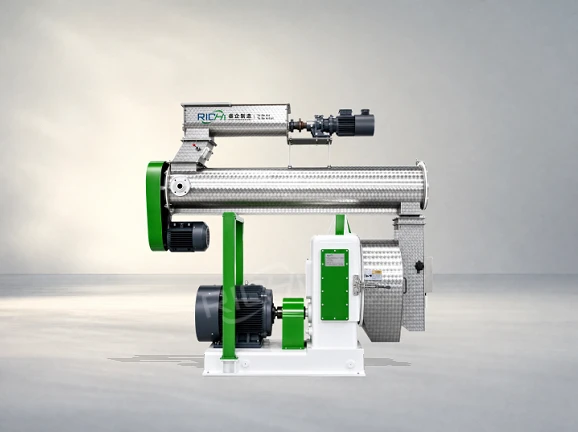
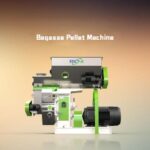
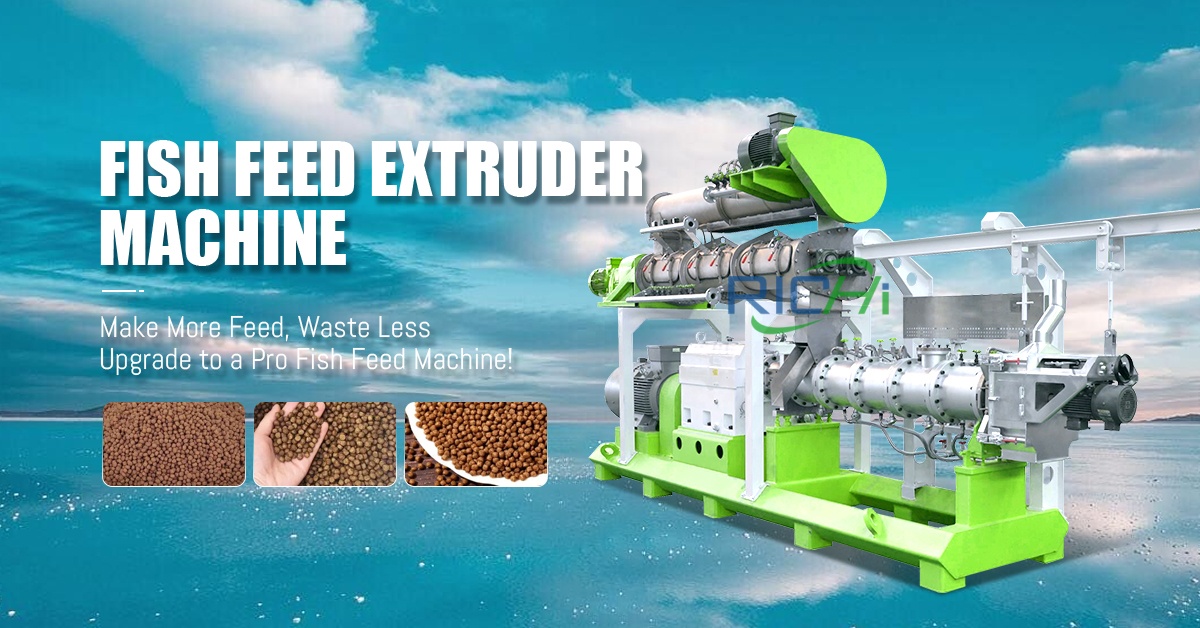
The next stage is pelletizing or extrusion. This is where feed takes its final form. Pelletizing compresses feed into dense pellets, while extrusion produces floating or slow-sinking feed through high-temperature and high-pressure processing. Both methods improve feed quality and feeding efficiency.
https://richipelletizer.com/wet-type-fish-feed-extruder
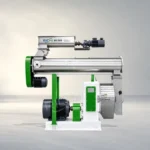
Equipment selection is especially important during this stage. Many investors evaluate fish feed pellet machine price when planning feed manufacturing facilities because pellet machines represent one of the most significant equipment investments. Although machine costs vary depending on capacity, automation level, and technology, investing in high-quality equipment often leads to better pellet quality, lower maintenance costs, and higher production efficiency.
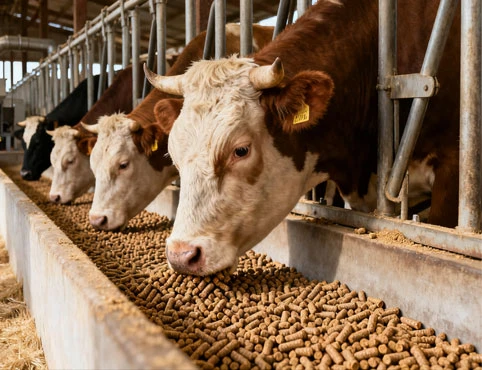
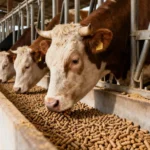
Feed pellets produced through modern manufacturing systems offer several advantages over traditional feed forms. They are more stable in water, easier for fish to consume, and less likely to disintegrate before being eaten. This reduces nutrient loss and improves feed utilization efficiency.
Feed conversion ratio is one of the most important indicators of aquaculture performance. It measures how much feed is required to produce a certain amount of fish biomass. Lower feed conversion ratios indicate greater efficiency and lower production costs.
High-quality feed improves feed conversion because nutrients are more digestible and better balanced. Fish can convert a larger proportion of consumed feed into growth, reducing waste and improving profitability. Efficient feed conversion is particularly important because feed represents the largest expense in aquaculture operations.
Aquatic feed production also plays a vital role in maintaining fish health. Nutritionally balanced feed strengthens immune function and improves resistance to disease. Modern feed formulations often include functional additives such as probiotics, prebiotics, organic acids, enzymes, and immune stimulants. (Learn more about modern aqua feed plant)
These additives support gut health, improve nutrient absorption, and enhance natural disease resistance. As a result, fish are better able to withstand environmental stress and pathogenic challenges. Healthier fish require fewer medical treatments, reducing production costs and improving sustainability.
Disease prevention is especially important in intensive aquaculture systems where large numbers of fish are raised in confined environments. Disease outbreaks can spread rapidly and cause significant economic losses. By providing optimal nutrition and supporting immune function, high-quality feed serves as a proactive disease management tool.
Water quality is another critical factor influenced by feed production. Poor-quality feed often leads to excessive waste because fish cannot digest nutrients efficiently. Undigested feed and metabolic waste accumulate in the water, increasing ammonia levels and reducing oxygen availability.
Modern aquatic feed is formulated to maximize digestibility and minimize waste production. Stable pellets remain intact until consumed, reducing nutrient leaching into the water. Improved feed conversion also means less feed is required overall, reducing the amount of waste entering the aquatic environment.
Maintaining good water quality benefits both fish health and environmental sustainability. Fish raised in clean water experience lower stress levels, stronger immune systems, and better growth performance. At the same time, reduced nutrient discharge helps protect surrounding ecosystems from pollution.
Another way aquatic feed production supports healthy aquaculture is through the development of specialized feeds for different production stages. Fish nutritional requirements change throughout their lifecycle. Larvae, juveniles, and adult fish all require different nutrient profiles and pellet sizes.
Feed manufacturers produce starter feeds, grower feeds, and finishing feeds designed specifically for each stage of development. This ensures that fish receive appropriate nutrition throughout their growth cycle, maximizing performance and minimizing nutritional deficiencies.
Advances in feed technology have also enabled the development of floating and sinking feeds tailored to specific species and farming systems. Surface-feeding species benefit from floating feed because farmers can easily monitor feeding activity and adjust feeding rates. Bottom-feeding species require sinking feed that reaches their feeding zone efficiently.
Modern feed manufacturing equipment can produce pellets with precise buoyancy characteristics. This flexibility improves feeding efficiency and reduces feed waste, contributing to healthier and more productive aquaculture operations.
Economic sustainability is another important benefit of aquatic feed production. By improving feed efficiency, reducing waste, and enhancing growth rates, high-quality feed directly increases farm profitability. Farmers can produce more fish with fewer resources, improving overall economic performance.
For feed manufacturers, understanding fish feed pellet machine price is an important part of investment planning. While equipment costs can be significant, modern machines offer higher production capacities, better automation, and improved energy efficiency. These advantages often justify the investment by reducing long-term operating costs and increasing production output.
Automation is becoming increasingly important in aquatic feed production. Advanced manufacturing systems use computerized controls to monitor ingredient proportions, processing temperatures, moisture levels, and pellet quality. Automation improves consistency, reduces human error, and increases production efficiency.
Consistent feed quality is essential for maintaining predictable fish performance. Automated systems ensure that every batch of feed meets strict quality standards, supporting stable production results across different farming operations.
Sustainability is also shaping the future of aquatic feed production. Traditional fish feeds relied heavily on fish meal and fish oil derived from wild fisheries. While these ingredients remain valuable, the industry is increasingly incorporating alternative protein sources such as soybean meal, insect protein, algae, and microbial proteins.
These innovations help reduce pressure on marine ecosystems while maintaining nutritional quality. Sustainable feed production supports the long-term growth of aquaculture by ensuring that feed resources remain available and environmentally responsible.
Research and development continue to drive improvements in feed formulation and manufacturing technology. Scientists are exploring new ingredients, advanced processing methods, and precision nutrition strategies that can further improve fish health and production efficiency.
Future feed production systems may incorporate artificial intelligence and real-time monitoring technologies that automatically adjust formulations based on ingredient quality and fish performance data. These innovations could significantly improve feed efficiency and sustainability. (click to find out more)
Climate change and environmental challenges are also increasing the importance of efficient feed production. As resources become more limited, aquaculture operations must maximize productivity while minimizing environmental impact. High-quality feed will play a central role in achieving these goals.
Aquatic feed production is far more than simply mixing ingredients together. It is a sophisticated process that combines nutritional science, engineering, and quality control to produce feeds that support healthy fish growth and sustainable aquaculture development.
Every stage of production, from ingredient selection and grinding to mixing, pelletizing, cooling, and packaging, contributes to the final quality of the feed. Advanced equipment ensures that nutrients remain available, pellets remain durable, and production remains efficient.
The importance of feed manufacturing will continue to grow as aquaculture expands worldwide. Farmers increasingly recognize that feed quality directly influences profitability, fish health, and environmental performance. Investing in modern feed production technologies allows both feed manufacturers and fish farmers to achieve better results while supporting sustainable seafood production.
In conclusion, aquatic feed production supports healthy aquaculture by providing balanced nutrition, improving growth performance, enhancing disease resistance, reducing environmental impact, and increasing farm profitability. High-quality feed is the foundation of successful fish farming, influencing every aspect of production from survival rates to harvest yields.
Modern manufacturing technologies, careful ingredient selection, and efficient equipment all contribute to producing superior aquatic feeds. For investors and producers, evaluating factors such as fish feed pellet machine price is an important step in building efficient feed production systems that can meet the demands of the growing aquaculture industry. As global seafood consumption continues to rise, advanced aquatic feed production will remain one of the most important drivers of healthy, productive, and sustainable aquaculture.