
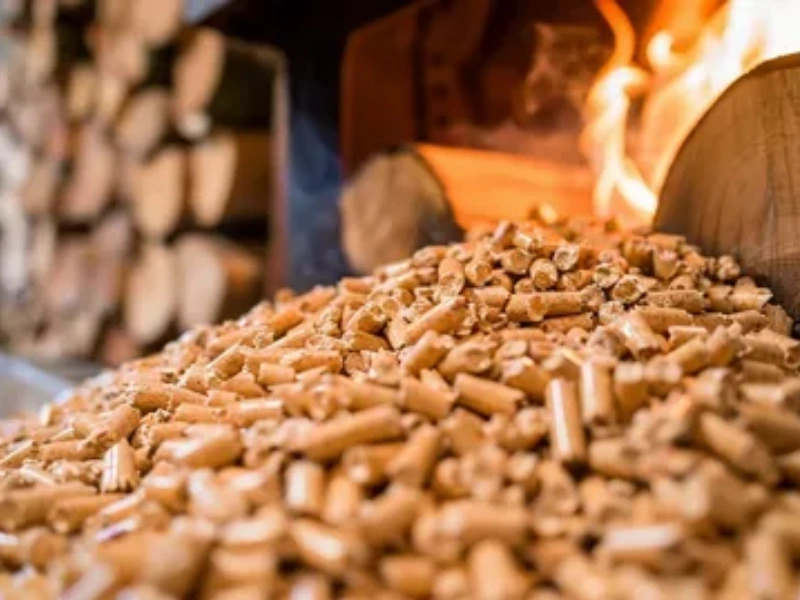
With the growing demand for renewable energy and sustainable resource utilization, forestry residues are gaining renewed attention. Wood chips, produced from logging operations, sawmills, and wood processing plants, represent a large and underutilized biomass resource. By adopting advanced pelletizing technology, manufacturers can convert loose wood chips into dense, high-energy pellets. A modern wood chip pellet machine enables this transformation efficiently and at an industrial scale.
Wood Chips as a Pellet Raw Material
Compared with sawdust, wood chips have a coarser structure and more variable particle size. While this presents certain processing challenges, wood chips also offer advantages such as wide availability and stable fiber composition. When properly processed, wood chip pellets deliver consistent calorific value and reliable combustion performance.
Pelletizing wood chips significantly improves their bulk density, making storage and long-distance transportation more economical. This is especially important for large forestry operations seeking to maximize the value of residual biomass.
(Related Post: https://biomasspelletizer.com/wood-chip-pellet-machine/)
Processing Flow of Wood Chip Pellet Production
Producing high-quality pellets from wood chips requires a coordinated system rather than a single piece of equipment. A standard production flow typically includes several key stages:
Size Reduction and Screening
Wood chips are first crushed into smaller, uniform particles. Screening removes oversized materials and impurities to ensure stable pellet quality.
Drying and Moisture Control
Wood chips often contain high moisture levels. Efficient drying systems reduce moisture to the optimal range required for pellet formation.
Pelletizing Process
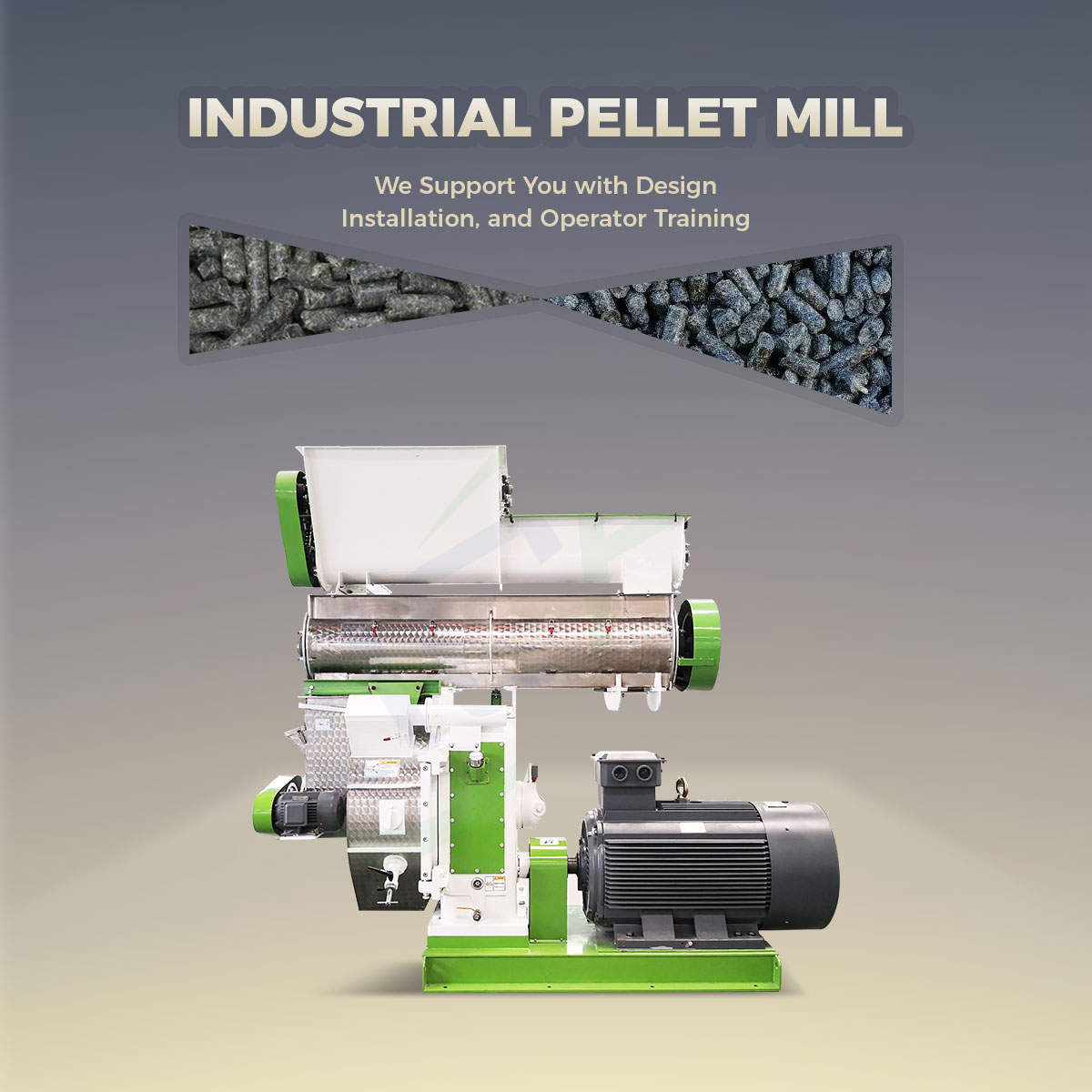
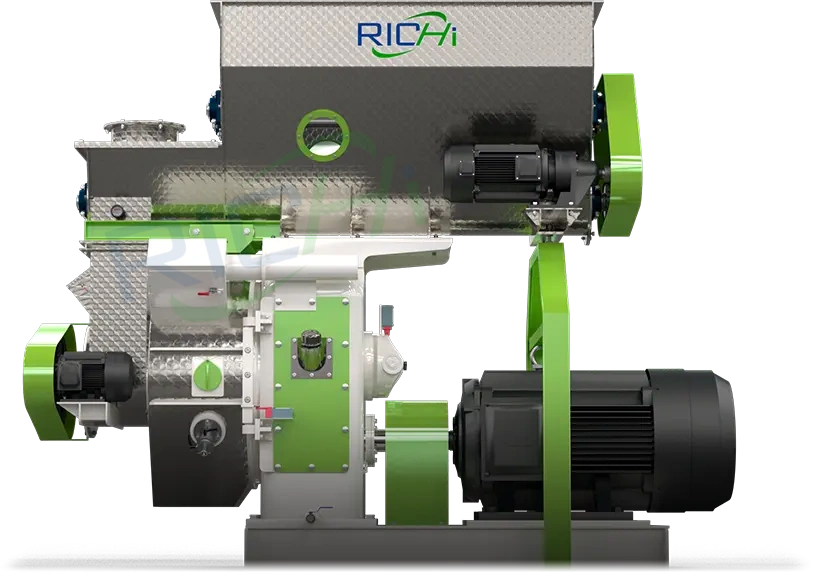
The core equipment is the wood pellet maker, which compresses prepared wood fibers into dense pellets through mechanical pressure and heat.
Cooling and Classification
Fresh pellets are cooled to enhance hardness and durability, then screened to remove fines before packaging or bulk storage.
Together, these steps form a reliable complete wood pellet production line system suitable for continuous industrial operation.
Advantages of Using a Wood Chip Pellet Machine
Integrating pelletizing equipment into forestry and wood processing operations offers multiple benefits:
- Improved biomass utilization: Converts low-value residues into marketable fuel
- Reduced logistics costs: Pellets are easier to store and transport than loose chips
- Stable fuel quality: Uniform pellet size ensures efficient combustion
- Environmental benefits: Supports renewable energy and waste reduction initiatives
These advantages make wood chip pellet production attractive for both established manufacturers and new biomass investors.
Industrial Applications of Wood Chip Pellets
Wood chip pellets are widely used in industrial boilers, biomass power plants, combined heat and power systems, and district heating networks. In regions with strong forestry industries, pellets are increasingly replacing coal and other fossil fuels for thermal energy generation.
Companies evaluating pellet plant design often review reference projects and technical documentation before making decisions. To explore practical system layouts and performance data, read more from professional sources that showcase real-world pellet production setups.
Equipment Selection Considerations
Choosing the right pelletizing equipment directly impacts productivity and operating costs. Key factors to consider include:
- Pressing capacity and output stability
- Wear resistance of dies and rollers
- Energy efficiency per ton of pellets
- Maintenance access and spare part availability
A well-engineered wood chip pellet machine ensures stable operation even under continuous industrial workloads and demanding raw material conditions.
Market Outlook for Wood Chip Pellet Production
As global policies increasingly favor low-carbon energy, demand for biomass pellets continues to rise. Wood chip pellets, supported by abundant forestry resources, are well-positioned to meet this demand. Many countries are expanding pellet imports to support renewable heating and power generation goals.
With proper system design and equipment selection, wood chip pellet production offers long-term economic returns and environmental benefits. For companies aiming to enhance sustainability and diversify revenue streams, pelletizing forestry residues represents a practical and future-oriented strategy.