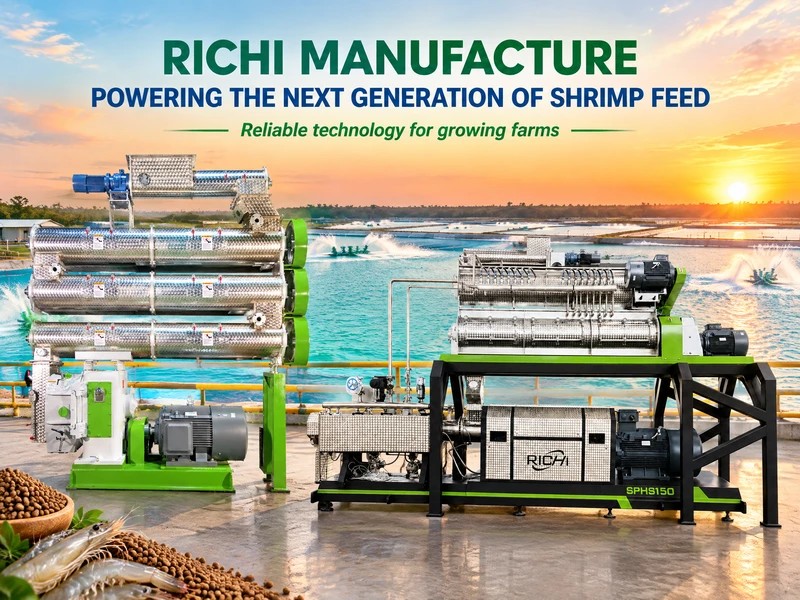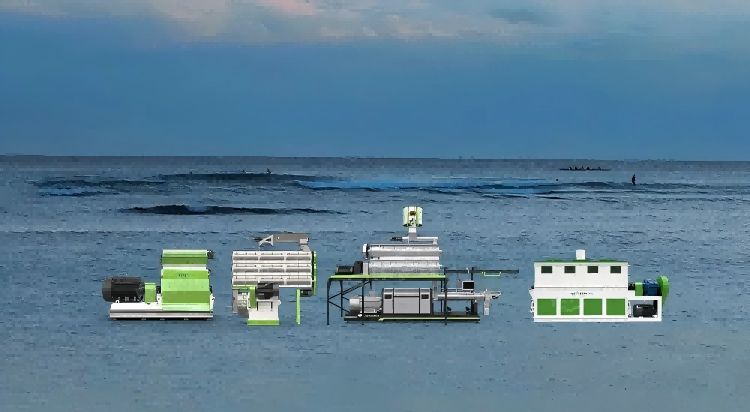
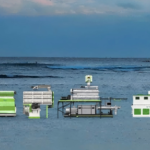
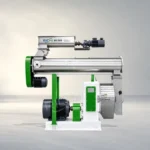
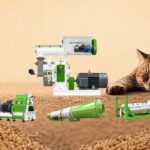
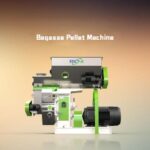


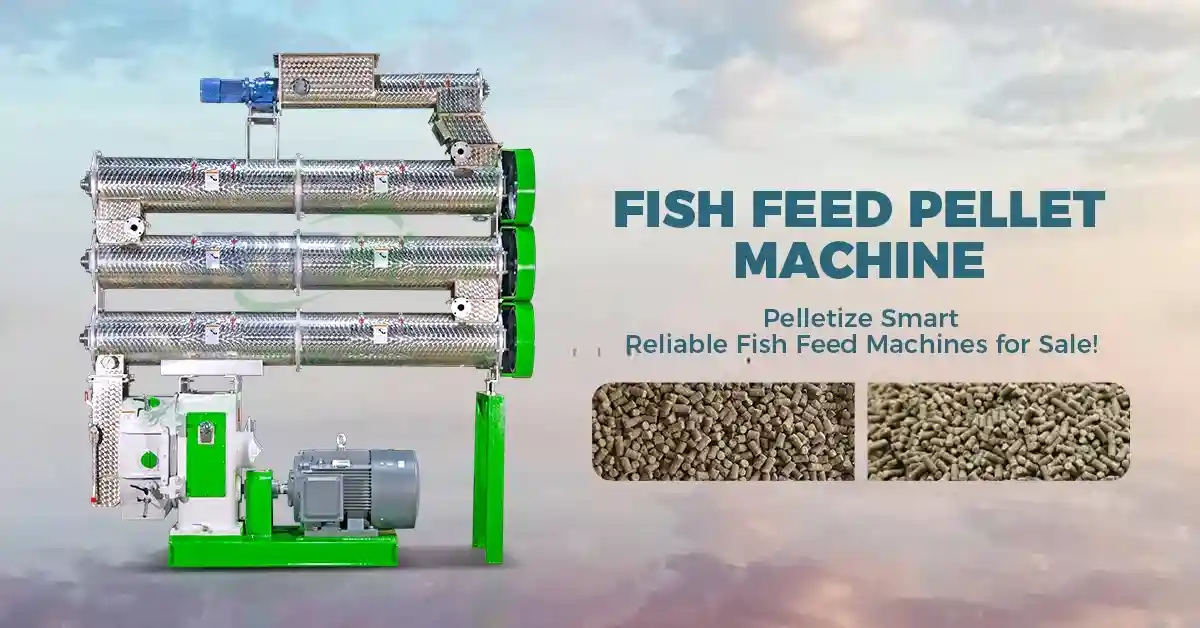
For aquaculture businesses, fish farmers, and pet food manufacturers, producing high-quality fish feed pellets efficiently is critical to ensuring healthy livestock growth and maximizing profitability. A fish feed pellet making machine (also known as a fish pellet machine or fish food pellet making machine) is the cornerstone of modern feed production, transforming raw ingredients into nutrient-rich, uniformly shaped pellets tailored to the dietary needs of various fish species. This comprehensive guide explores the benefits, types, key features, and pricing considerations of these machines, helping you make an informed decision for your operation.
1. Why Invest in a Fish Feed Pellet Making Machine?
1.1 Cost Efficiency and Sustainability
Commercial fish feed can be expensive, especially for large-scale operations. By using a fish pellet making machine, you can produce feed in-house using locally sourced ingredients like soybean meal, corn, fishmeal, and vitamins. This reduces dependency on external suppliers, lowers costs, and ensures a consistent supply of fresh feed. Additionally, homemade pellets minimize waste by avoiding overfeeding and spoilage.
1.2 Customized Nutrition
Different fish species require specific nutrient profiles. A fish feed machine for sale allows you to control the composition of your pellets, adjusting protein, fat, and fiber content to match the dietary needs of tilapia, catfish, trout, or ornamental fish. This customization promotes faster growth, improved immunity, and better overall health.
1.3 Enhanced Pellet Quality
Store-bought feed may vary in quality due to improper storage or transportation. A fish food pellet making machine ensures pellets are uniformly shaped, durable, and buoyant (for surface-feeding fish) or sinking (for bottom-dwellers). High-quality pellets retain their structure in water, reducing nutrient leaching and improving feed conversion ratios (FCR).
2. Types of Fish Feed Pellet Making Machines
2.1 Small-Scale Machines for Hobbyists and Startups
Ideal for small fish farms, pet stores, or home aquariums, these compact machines (e.g., single-phase electric models) produce 50–200 kg/h of pellets. They are affordable, easy to operate, and require minimal space.
Key Features:
- Manual or semi-automatic operation
- Adjustable pellet sizes (1–12 mm)
- Low power consumption
- Portable design
Price Range: 500–3,000
2.2 Medium-Scale Machines for Commercial Farms
Designed for mid-sized aquaculture operations, these machines (e.g., diesel or electric-powered) produce 200–800 kg/h of pellets. They support continuous operation and offer greater customization options.
Key Features:
- Automatic feeding and cutting systems
- Stainless steel construction for durability
- Multiple die options for varying pellet sizes
- Energy-efficient motors
Price Range: 3,000–10,000
2.3 Industrial-Grade Machines for Large-Scale Production
Used by feed mills and large fish farms, these high-capacity machines (e.g., ring die pellet mills) produce 1–10 tons/h of pellets. They integrate advanced technology for precision and efficiency.
Key Features:
- Fully automated operation
- High-temperature sterilization to eliminate pathogens
- Customizable pellet shapes and densities
- Low maintenance requirements
Price Range: 10,000–50,000+
Besides, fish feed extruder machine for aquaculture feed is another kind of professional machine.
- floating fish feed extruder machine
- sinking fish feed extruder machine
- dry type fish feed extruder machine
- wet type fish feed extruder machine
- twin screw fish feed extruder machine
- single screw fish feed extruder machine
3. Key Features to Consider When Buying a Fish Feed Pellet Making Machine
3.1 Production Capacity
Choose a machine that matches your output needs. Overestimating capacity can lead to unnecessary costs, while underestimating may hinder growth.
3.2 Pellet Size and Shape
Different fish species prefer specific pellet sizes. Ensure the machine offers adjustable dies (e.g., 1–12 mm) and shapes (e.g., round, cylindrical).
3.3 Power Source
Machines can be electric, diesel, or gasoline-powered. Electric models are eco-friendly and cost-effective for indoor use, while diesel models suit remote areas with unreliable electricity.
3.4 Material Quality
Stainless steel components resist corrosion and ensure longevity, especially in humid environments. Avoid cheap machines with plastic parts that degrade quickly.
3.5 Ease of Use and Maintenance
Look for user-friendly interfaces, quick-change dies, and accessible parts for cleaning. Automated systems reduce labor costs and downtime.
3.6 After-Sales Support
Opt for suppliers offering warranties, spare parts availability, and technical assistance. Reliable customer service minimizes operational disruptions.
(Look at here now: https://pelletisingmachine.com/aqua-feed-machine/)
4. Understanding Fish Pellet Machine Price Factors
The cost of a fish feed pellet making machine varies based on several factors:
- Capacity: Higher output machines cost more.
- Material: Stainless steel models are pricier but more durable.
- Automation Level: Fully automatic machines are expensive but save labor.
- Brand Reputation: Established brands may charge a premium for reliability.
- Additional Features: Built-in mixers, coolers, or packaging systems increase costs.
Tip: Compare fish pellet machine prices from multiple suppliers to find a balance between quality and affordability. Beware of overly cheap machines that may compromise on durability or performance.
5. Where to Find a Fish Feed Machine for Sale
5.1 Online Marketplaces
Platforms like Alibaba, Amazon, and eBay offer a wide range of machines from global suppliers. Read reviews and verify seller credibility before purchasing.
5.2 Trade Shows and Exhibitions
Industry events like Aquaculture America or VIV Asia showcase the latest machinery and allow face-to-face negotiations with manufacturers.
5.3 Direct Manufacturers
Contacting manufacturers directly (e.g., in China, India, or Europe) often yields better prices and customization options. Many offer factory tours and on-site training.
5.4 Local Distributors
Local suppliers provide faster delivery, easier maintenance, and compliance with regional regulations. They may also offer financing options.
6. FAQs About Fish Feed Pellet Making Machines
Q1: What raw materials can I use?
A: Common ingredients include fishmeal, soybean meal, corn, wheat bran, vitamins, and minerals. Some machines also process vegetables or insects.
Q2: How long do pellets last in water?
A: High-quality pellets remain intact for 10–30 minutes, depending on density and buoyancy.
Q3: Can I make floating and sinking pellets with the same machine?
A: Yes, by adjusting the extrusion temperature and pressure. Floating pellets require higher temperatures.
Q4: What is the payback period for a fish feed machine?
A: Small-scale machines typically pay for themselves within 6–12 months through cost savings on commercial feed.
7. Conclusion: Choose the Right Machine for Your Needs
Investing in a fish feed pellet making machine is a strategic move for any aquaculture operation seeking cost savings, quality control, and sustainability. Whether you need a compact fish pellet making machine for a hobby farm or an industrial-grade fish food pellet making machine for large-scale production, understanding your requirements and comparing options will ensure long-term success.
Explore reputable suppliers, request quotes, and prioritize machines that offer durability, efficiency, and excellent after-sales support. With the right equipment, you can elevate your fish farming business to new heights!
Ready to buy? Browse our selection of fish feed machines for sale and request a customized quote today!